
If you’re looking for a 7 days Iceland itinerary that actually works in real life—not just on a map—you’re in the right place. I’ve personally driven all over Iceland in everything from calm summer evenings to full-on February whiteouts, and this route is built around what travelers can realistically see in one week without rushing every stop or skipping the good stuff.
This isn’t one of those itineraries that tells you to circle the entire Ring Road in six days and somehow also soak in every hot spring along the way.
It focuses on the best parts of the country for first-time visitors—the South Coast, the Golden Circle, and either the Snæfellsnes Peninsula or the Westman Islands, depending on the season—with enough breathing room to enjoy the drive, explore a few lesser-known detours, and still get to your hotel before dark.
You’ll find detailed daily breakdowns, tips for both summer and winter travel, clear recommendations on where to stay, and bolded highlights to help you plan fast. Whether you’re flying in to chase the northern lights or packing every daylight hour with hikes and photo stops, this guide gives you a flexible framework to build the kind of Iceland trip that feels custom—even if it’s your first time there!
The Perfect 7 Day Iceland Itinerary
Day 1: Arrive in Reykjavík + Ease Into the Adventure
You’ll land at Keflavík International Airport, about 45 minutes southwest of Reykjavík. Pick up your rental car right away, and double-check that it’s properly equipped for the season. In winter, you’ll want 4WD and studded tires. In summer, a compact car is usually fine unless you’re planning to venture into the Highlands.
If your flight lands early and your hotel in Reykjavík isn’t ready, consider heading straight to the Blue Lagoon or the Sky Lagoon.
The Blue Lagoon is only about 20 minutes from the airport and an easy first stop if you want to soak in hot, mineral-rich water before getting into city mode. Sky Lagoon is a lot closer to the city at about 40 minutes from the airport, which puts you in close proximity to your hotel when check-in time comes around!
👉 Whichever you choose, make sure you’ve booked tickets in advance—walk-ins aren’t usually available. Blue Lagoon – Sky Lagoon
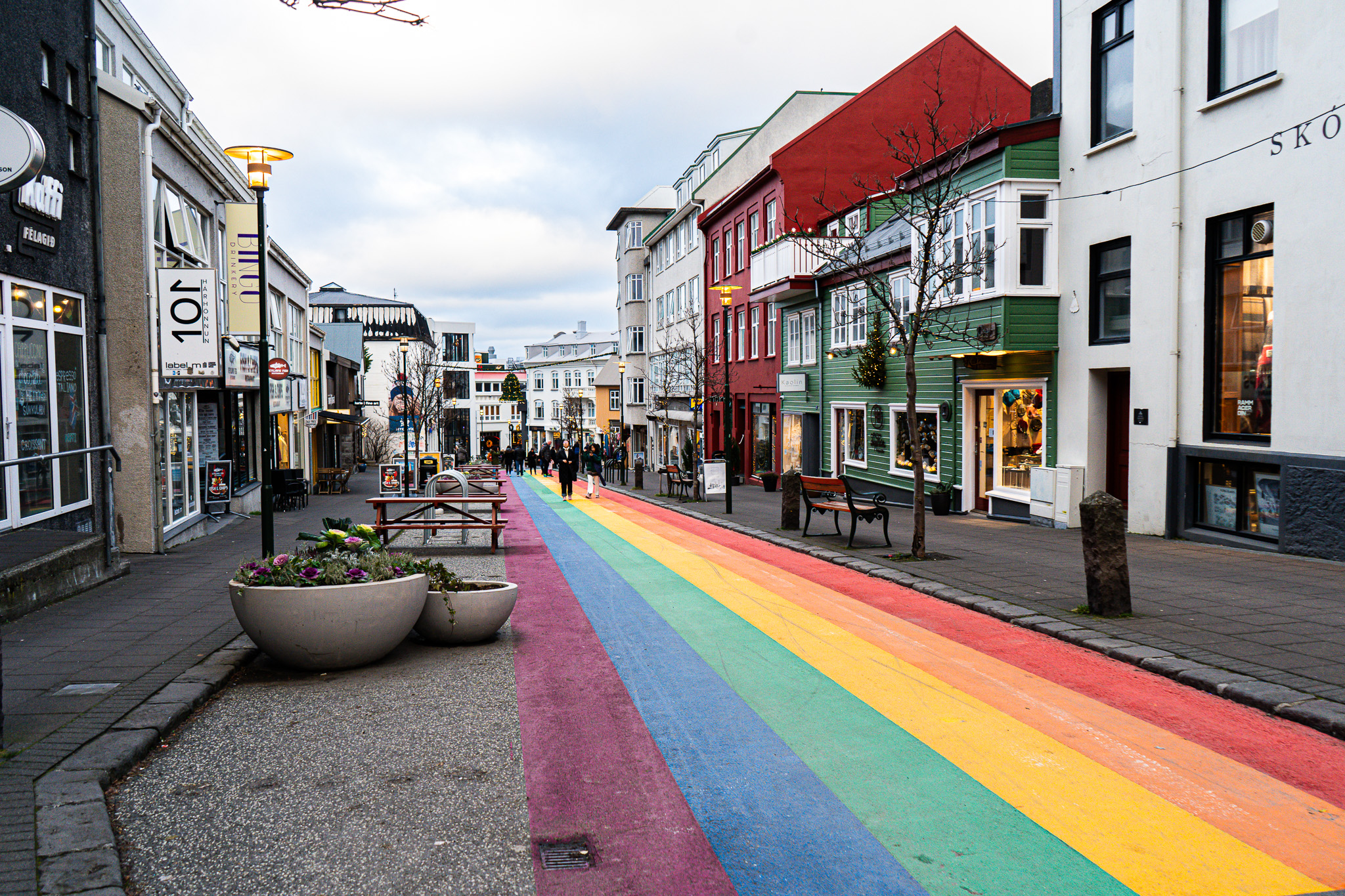
If you’re skipping the Blue Lagoon or arriving later in the day, head directly into Reykjavík and settle in. The city is small, easy to navigate, and packed with good food, quirky museums, and colorful buildings.
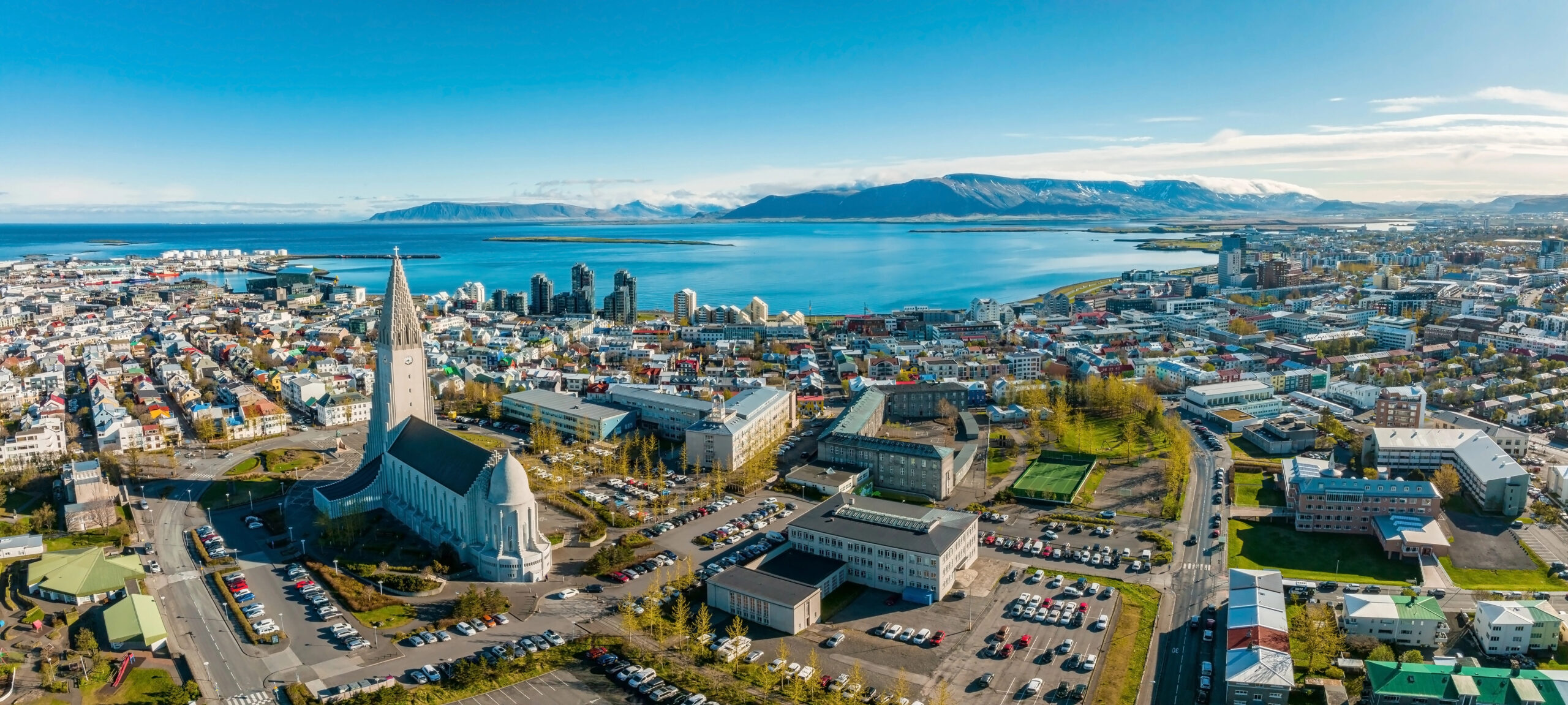
Walk along Skólavörðustígur (the rainbow-painted street) up to Hallgrímskirkja (the iconic church in Reykjavik), where you can ride the elevator to the top for panoramic views of the city and surrounding mountains. From there, wander through the Laugavegur shopping district and stop at Brauð & Co for a fresh cinnamon roll or grab a seat at Reykjavík Roasters if you need caffeine.
For something more substantial, grab a classic Icelandic hot dog at Bæjarins Beztu, or head to Messinn for sizzling arctic char served in a cast iron pan. If you’re after something casual but filling, the lamb soup at Icelandic Street Food is great on a cold day—and the refills are free!
If the weather holds, take a stroll along the waterfront to see the Sun Voyager sculpture and step inside the angular glass panels of Harpa Concert Hall. If it’s raining or windy (which it probably will be), head to the National Museum of Iceland or the Whales of Iceland Exhibition, both of which are excellent for an hour or two indoors.
Where to stay: Look for an apartment-style hotel or guesthouse near downtown Reykjavík, ideally within walking distance of Laugavegur and with parking available if you’re keeping the rental car overnight.
👉 TTPE Pro Tip: Iceland’s weather shifts fast—if you’re arriving in winter and conditions are rough, take your time driving into the city. Gas stations like N1 or Orkan are surprisingly well-stocked with hot food, warm gear, and solid coffee. Locals don’t rush in bad weather, and you shouldn’t either.
Day 2: The Golden Circle + Secret Lagoon
Start your road trip with Iceland’s most classic loop—but do it smart. The Golden Circle is popular for good reason, but timing and direction matter if you want to avoid the crowds. Leave Reykjavík early, ideally by 7:30 or 8:00AM, and head first to Þingvellir National Park before the tour buses arrive.
Þingvellir is where Iceland’s tectonic drama is on full display. Walk the rift valley trail between the North American and Eurasian plates, then check out Öxarárfoss, a pretty waterfall just a few minutes’ walk in. This area is also rich in history—it was the site of Iceland’s first parliament in the year 930, and the landscape is rugged and surreal, especially when covered in winter frost or draped in summer moss.
Next, drive to Geysir Geothermal Area. The original Geysir doesn’t erupt much anymore, but Strokkur blasts boiling water into the air every 5 to 8 minutes. Walk the full loop trail—it’s quick, and the bubbling hot pots and sulfur steam make for great photos.
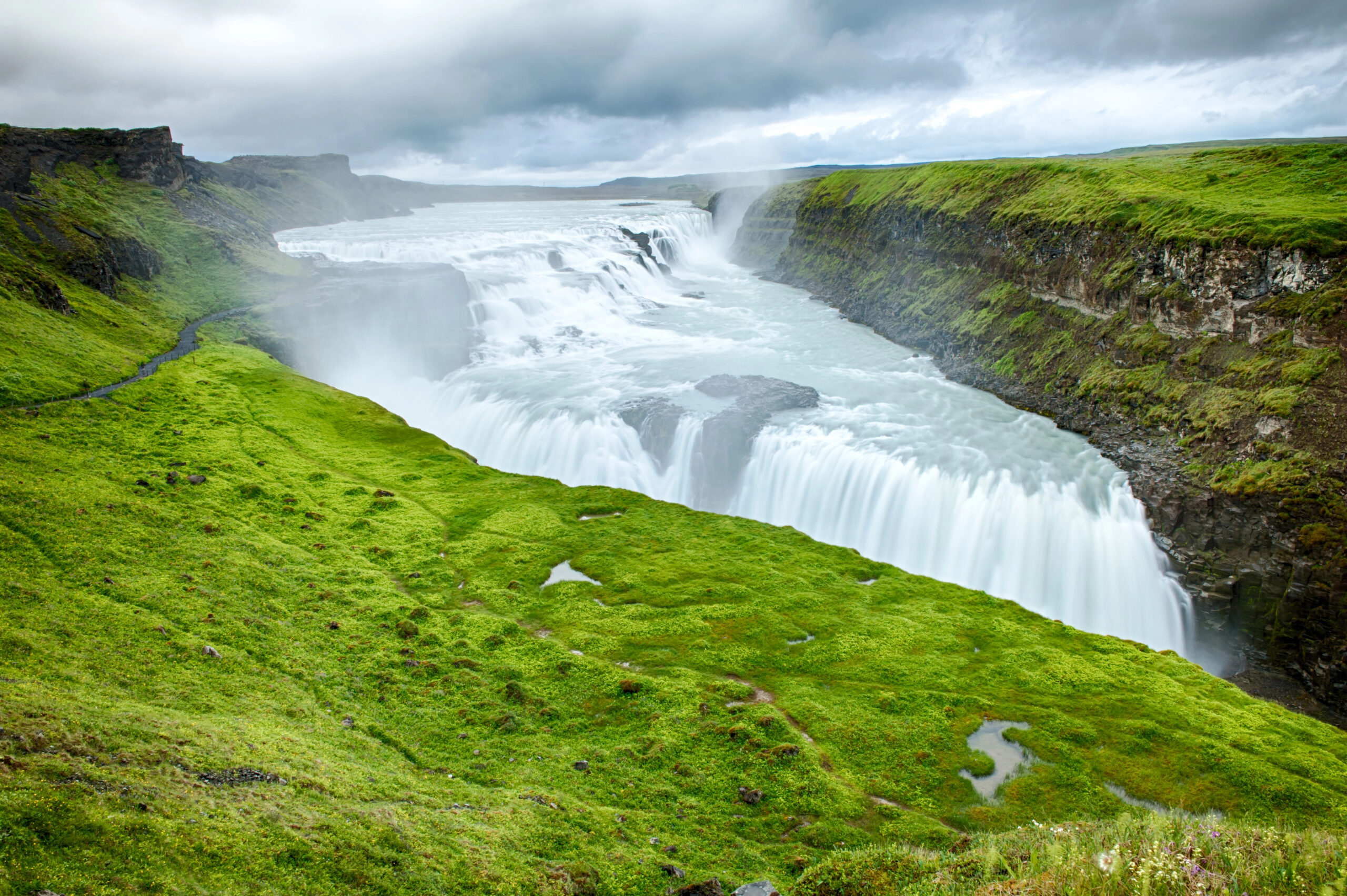
Just a short drive away is Gullfoss, one of Iceland’s most famous waterfalls. In summer, you’ll see powerful torrents plummeting into a misty canyon. In winter, much of the water freezes in jagged, icy cascades—equally dramatic, just in a completely different way.
From here, drive to the Secret Lagoon in Flúðir, a geothermally heated pool tucked in a quiet village surrounded by steaming vents and lava rocks. It’s far more low-key than the Blue Lagoon, and you won’t need to book far in advance.
Optional summer detour: Visit Friðheimar, a tomato greenhouse restaurant where everything on the menu—soup, bread, even bloody marys—is tomato-based. The greenhouse itself is a fun stop if you like quirky farm-to-table experiences.
Where to stay: Overnight in Selfoss, Flúðir, or a countryside cabin in Laugarvatn to get a head start on Day 3.
👉 TTPE Pro Tip: If you’re traveling in winter, this loop is one of the safest for icy road conditions since it’s well-maintained and rarely closes. Still, always check road.is before driving.
Day 3: South Coast Waterfalls + Vik
Today is packed with some of Iceland’s most recognizable landscapes. You’ll be following Route 1 toward Vik with several unmissable stops along the way. Leave early again if you want to beat the day trippers.
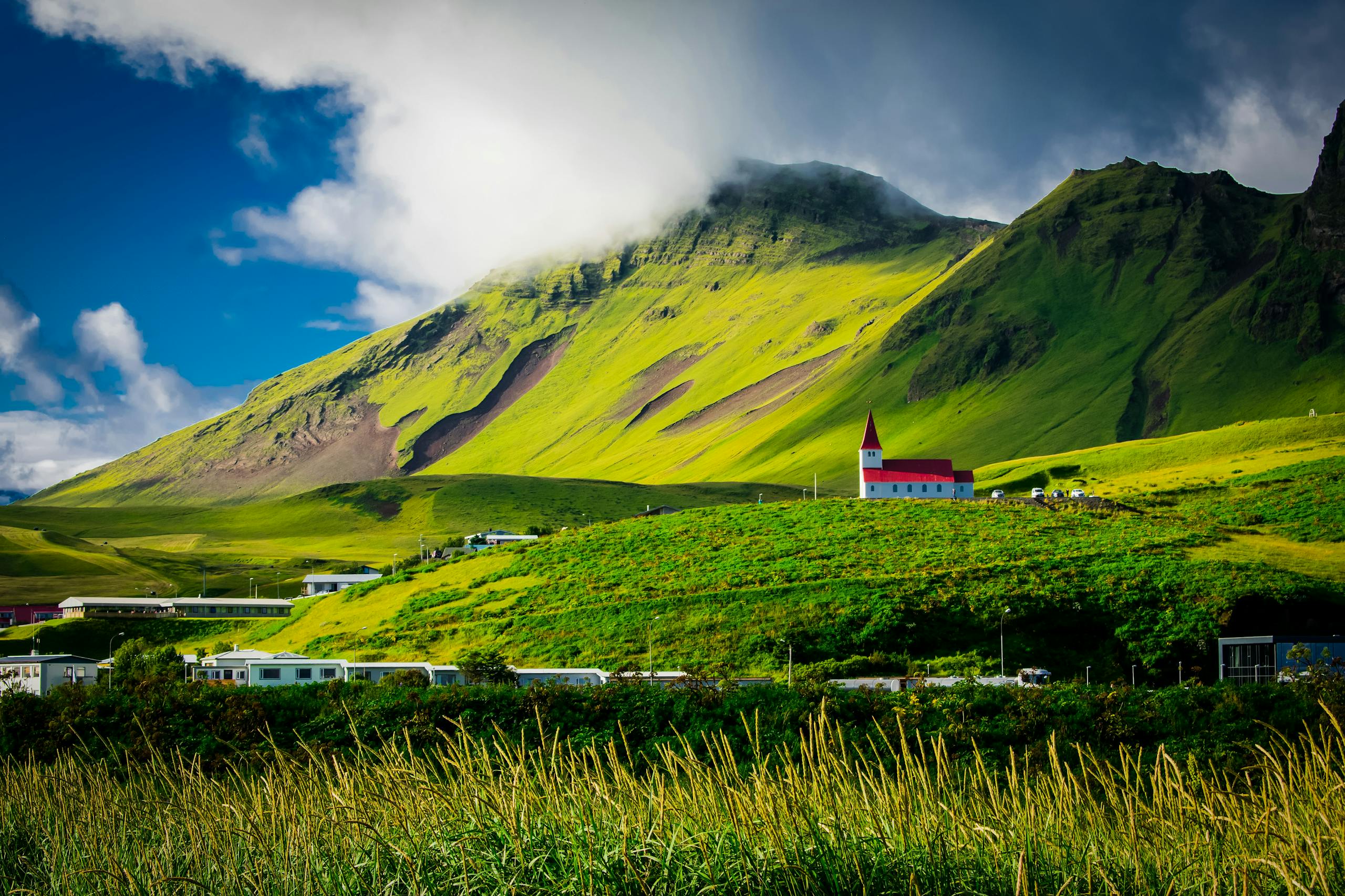
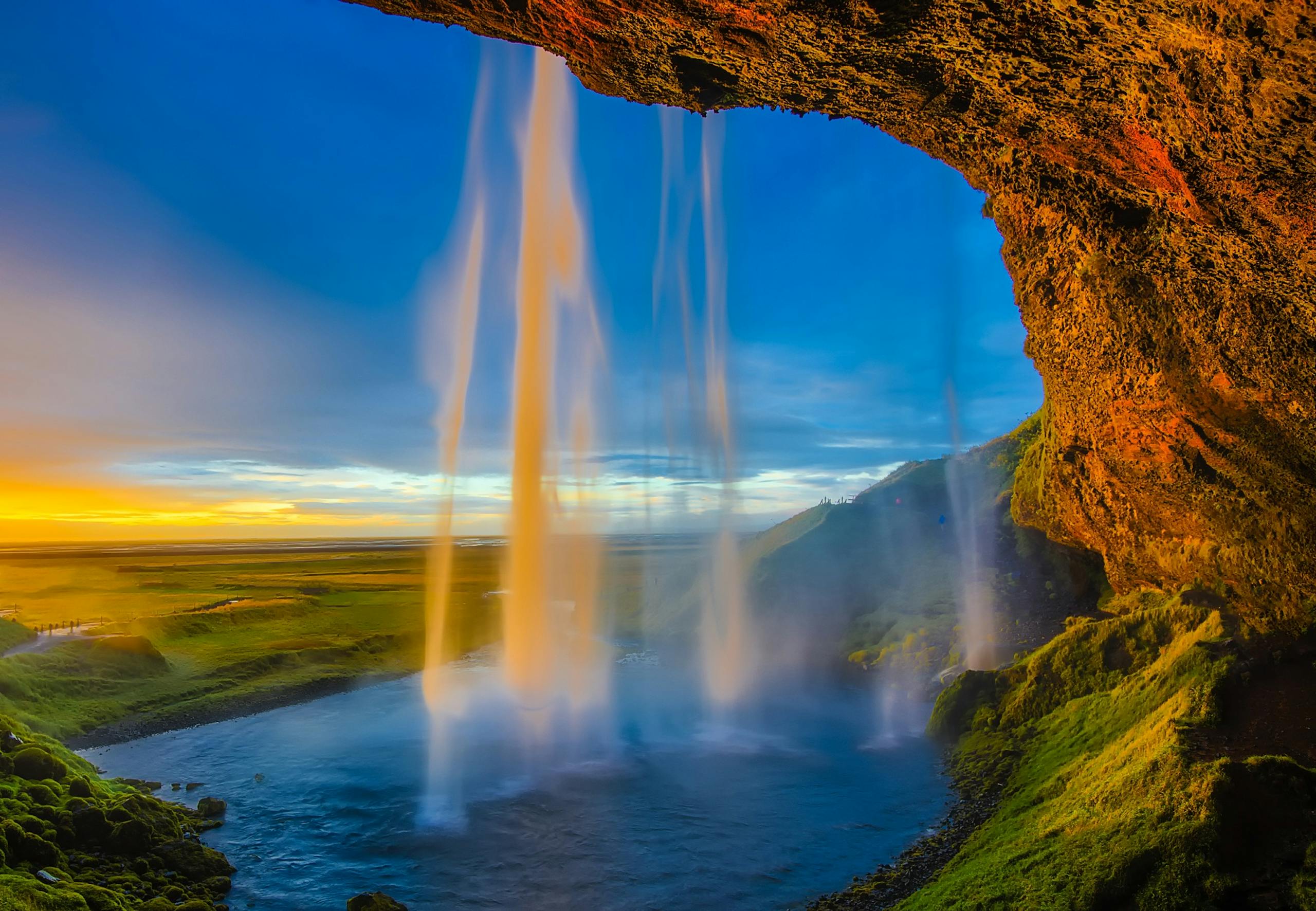
First up is Seljalandsfoss, a waterfall you can walk behind (unless it’s icy—in that case, don’t risk it). Just a five-minute walk to the left is Gljúfrabúi, a smaller waterfall hidden behind a mossy canyon wall. It feels like a secret, especially early in the morning.
Continue down the road to Skógafoss, a towering sheet of water that’s visible from the highway. Climb the stairs to the top if the path is clear, or stay below and watch for rainbows in the spray. Just a few minutes away is Kvernufoss, one of the most underrated waterfalls in the country. You’ll need to walk through a short sheep pasture behind the Skógar Museum, but the view of the falls tucked into a mossy canyon is worth it.
As you continue east, stop at the Dyrhólaey Viewpoint for wide coastal views and, in summer, puffins nesting along the cliffs. The viewpoint is often closed in spring for nesting season, so check signs and respect closures.
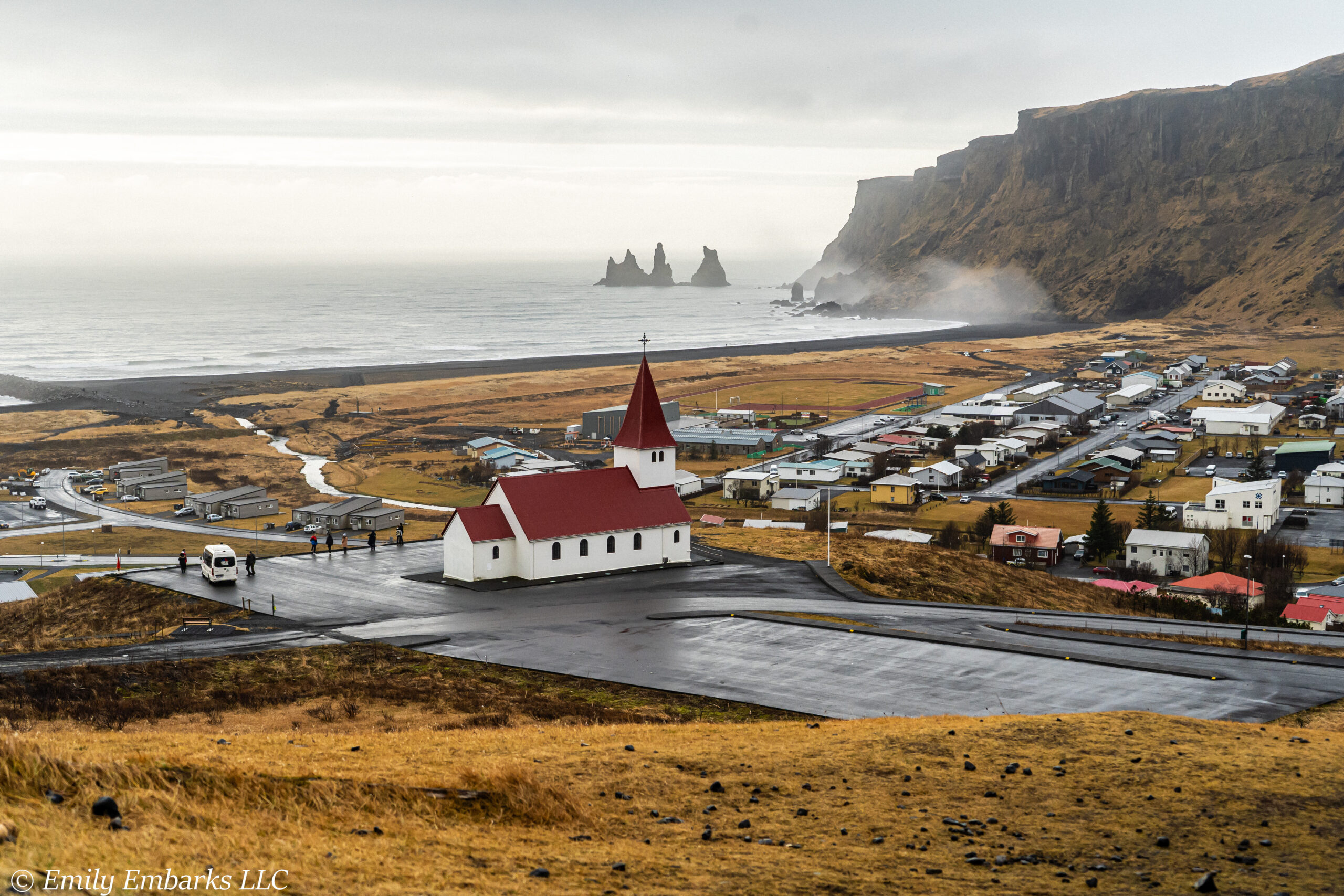
Wrap up your day at Reynisfjara, the famous black sand beach with basalt columns and massive waves. It’s beautiful, but dangerous—never turn your back on the sea here. Sneaker waves are no joke, and several tourists have been swept away over the years.
If you’re feeling a bit tired and could use a pick-me-up, my all-time-favorite coffee spot in Iceland is Skool Beans right across from the beach! It looks like a bit of broken down school bus, but when you get up-close the air smells like sweet cinnamon.
Where to stay: Spend the night in Vik or a nearby cabin with sea or mountain views. If you’re visiting in summer, stay up to catch the midnight sun. In winter, this is a great base for northern lights if the skies are clear!
Day 4: Jökulsárlón, Diamond Beach + Glacier Adventures
This is your longest drive day, but also one of the most rewarding. From Vik, you’ll continue along Route 1 toward Vatnajökull National Park, home to Europe’s largest glacier.
First stop: the stunning Fjaðrárgljúfur Canyon. It’s just off the highway and best visited early in the morning. In summer, the trail leads along the edge of the canyon, with lush green cliffs and a winding river below. In winter, sections may be closed, but even the view from the lower platform is spectacular.
Continue past endless lava fields until you reach Skaftafell, where you can join a guided glacier hike if conditions allow. These tours get you safely onto the glacier with crampons and an ice axe, and they run year-round (though timing varies depending on daylight and weather). Booking ahead is essential.
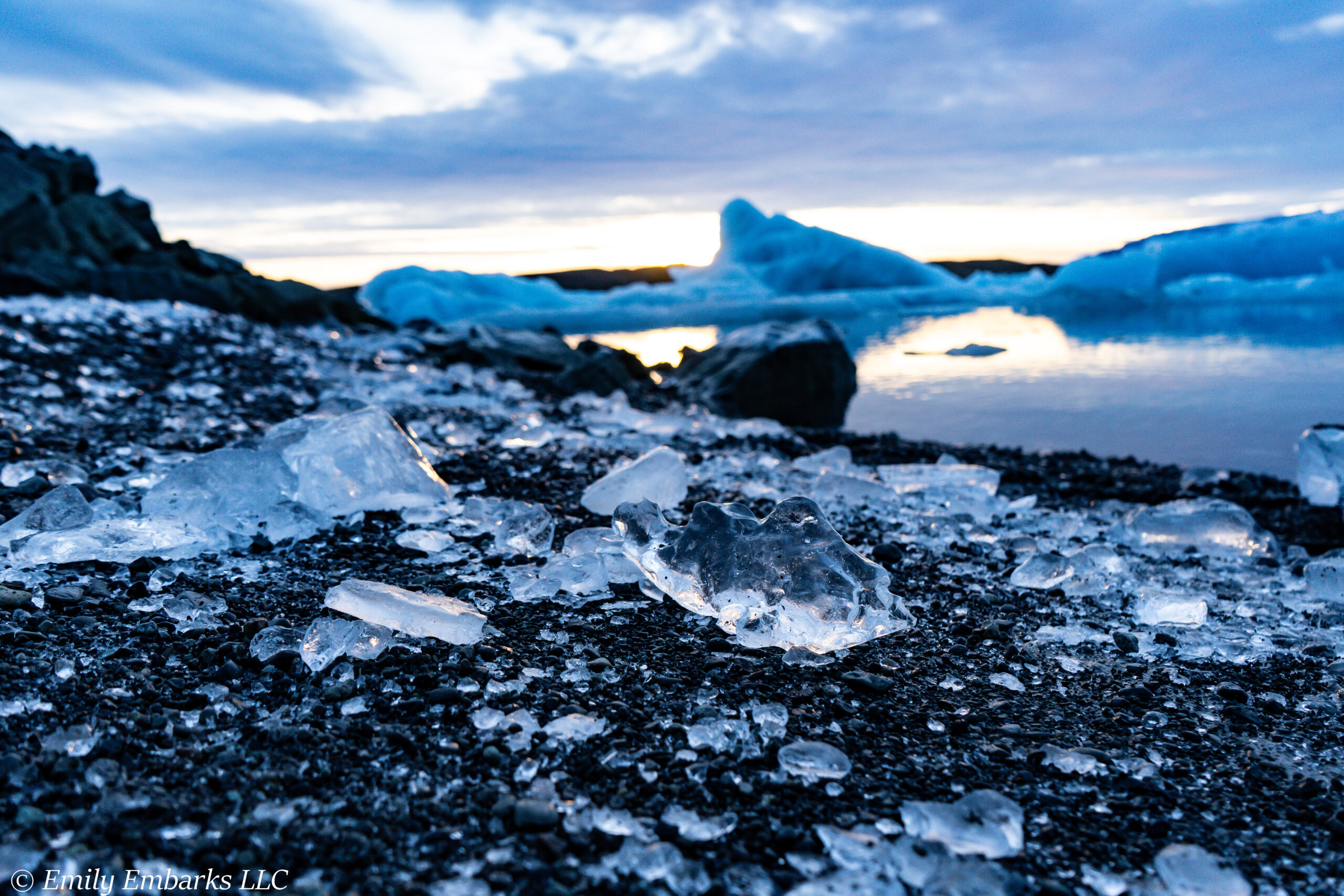
Next, head to Jökulsárlón Glacier Lagoon, where massive icebergs break off and float into the lagoon. You’ll see seals here year-round. Just across the road is Diamond Beach, where chunks of ice glisten on the black sand like scattered glass. This spot changes constantly depending on the tide and weather—it’s never the same twice.
Optional add-on: Visit Fjallsárlón, a smaller, less visited glacier lagoon just west of Jökulsárlón.
Where to stay: Overnight in Höfn, known for its lobster and peaceful harbor, or backtrack to a countryside guesthouse closer to Skaftafell if you don’t want to drive too far in the dark.
👉 TTPE Pro Tip: If you’re visiting in September or March, this is one of the best areas for spotting the northern lights. Find a guesthouse away from streetlights and check the aurora forecast on vedur.is.
Day 5: East to West — Canyons, Steam Valleys, and Soaks
Today, you’ll start heading back toward Reykjavík, but with several memorable stops along the way. Begin your morning with another visit to Fjaðrárgljúfur if you skipped it on Day 4, or stop at one of the roadside lava fields and moss plains near Kirkjubæjarklaustur.
By early afternoon, aim for Reykjadalur, also called Steam Valley. It’s one of Iceland’s most unique hot spring hikes, with a warm river flowing through a remote geothermal valley. The hike takes about 45 minutes each way. In summer, it’s green and misty; in winter, the trail can be icy but is still accessible with spikes.
If the hike doesn’t appeal, opt for a soak at Laugarvatn Fontana or a dip in the Hrunalaug Hot Spring, a more rustic experience on private land (donations appreciated, access may vary).
Where to stay: Choose between a relaxed night in Hveragerði (a great base for Reykjadalur) or push onward to Reykjavík if you want more time in the city on Day 6.
Day 6: Snæfellsnes Peninsula or Westman Islands (Seasonal)
You’ve got two strong options today, depending on the season and your energy level.
In summer, a great choice is a day trip to the Westman Islands (Vestmannaeyjar). Take the ferry from Landeyjahöfn and explore Heimaey, the main island, where you can hike a volcano, visit the puffin sanctuary, and learn about the 1973 eruption at the Eldheimar Museum. If you’re visiting in August, you may even witness puffling rescue season, when locals help baby puffins find their way to the ocean.
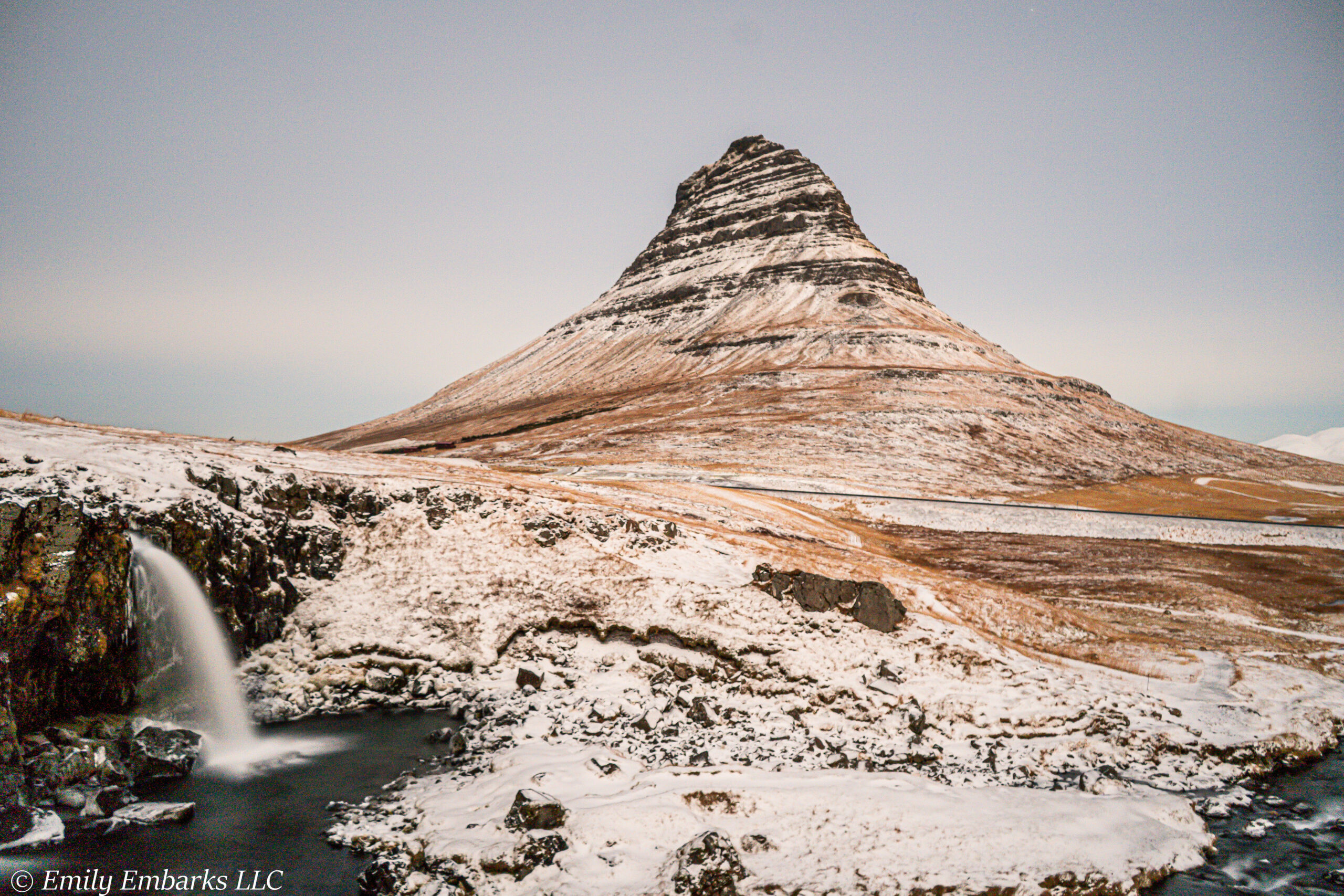
Year-round, the Snæfellsnes Peninsula makes for a fantastic full-day drive. Start early from Reykjavík and loop the peninsula clockwise. Highlights include the black church at Búðir, sea cliffs at Arnarstapi, the lava fields around Snæfellsjökull, and the ultra-photographed Kirkjufell Mountain.
Where to stay: Return to Reykjavík for your final night, or stay on the peninsula if you have a late flight the next day.
Day 7: Reykjavík or Blue Lagoon + Departure
If your flight is later in the day, spend your morning exploring more of Reykjavík. Walk the Old Harbor, stop at Kolaportið flea market (open weekends), or grab a final coffee at Mokka Kaffi.
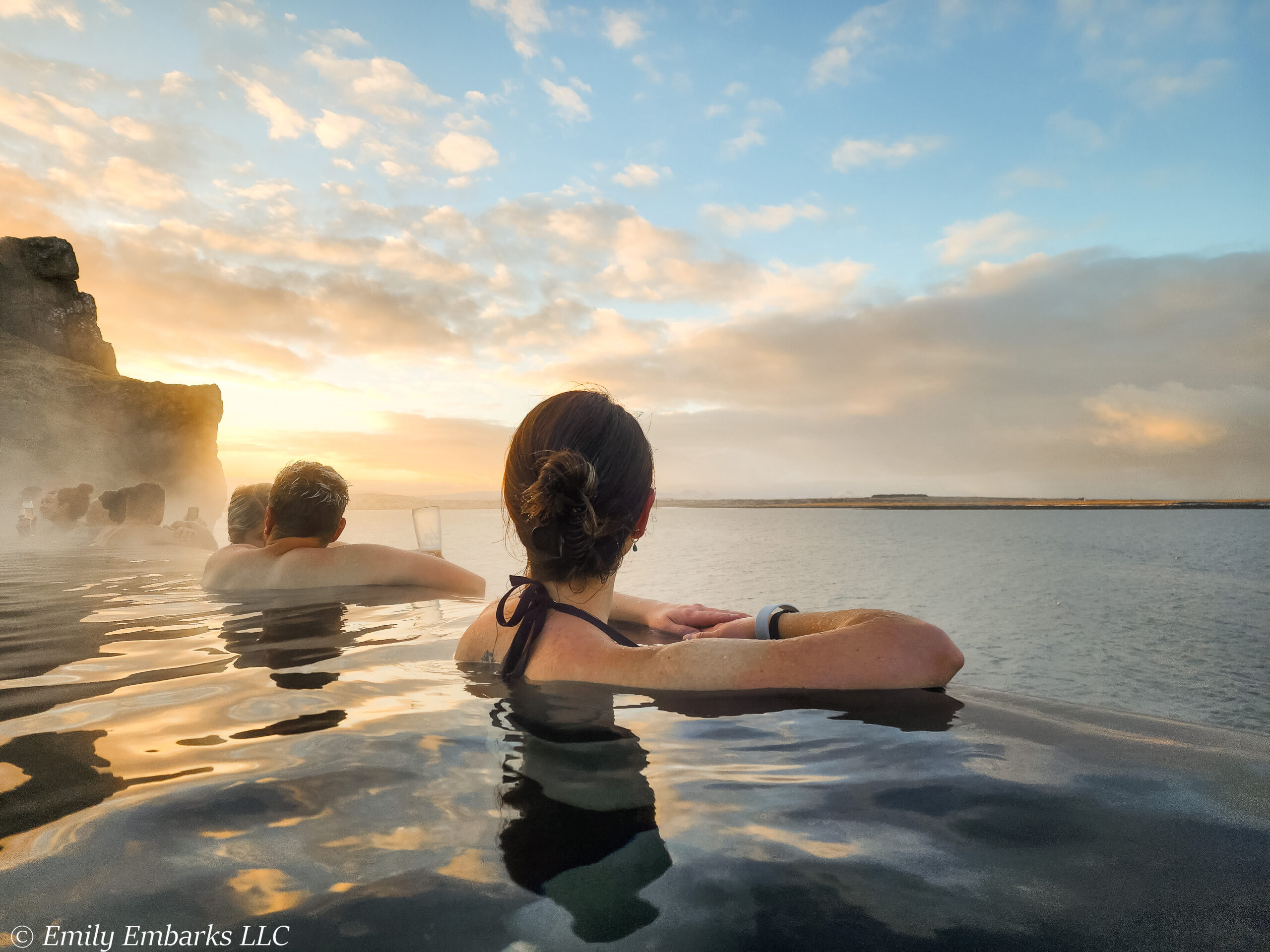
If you skipped the Blue Lagoon on Day 1, now’s your chance. It’s close to the airport, so plan to soak for 1.5–2 hours before heading to your terminal. Make sure to build in enough buffer time for parking, check-in, and weather delays—especially in winter.
Drop off your rental car at the airport and take one last deep breath of Iceland’s wild air before heading inside and getting checked in!
7 Day Iceland Map
Take a minute to check out our custom Iceland itinerary map with all the major stops and unique detours marked clearly. You can use it as a base and tweak it depending on the time of year, your driving comfort level, and how much you want to fit into each day.
👉 We always recommend saving it to your phone for offline use—especially in areas with spotty reception.
Best Time to Visit Iceland (Based on What You Want to Do)
There’s no single “best” month to visit Iceland since it really depends on your priorities. Some people come for the northern lights, others want mild weather for road trips, and some are all about puffin season and wildflowers. Here’s how to time your trip based on what you’re most excited about.
If you want to see the northern lights:
Plan your trip between mid-September and early April, when skies are dark enough for aurora visibility. December to February offers the longest nights, but also the highest chance of storms. March and October are underrated months with decent darkness and milder road conditions. I visited in November and saw the northern lights twice!
If you’re chasing midnight sun:
Go in late June or early July. The sun barely dips below the horizon, which means you can drive, hike, or soak in a hot spring at 11pm if you want. Just be careful not to burn out—constant daylight makes it easy to lose track of time and overdo it.
If you want to visit ice caves:
Most natural ice caves are only accessible from November to March with a certified guide. The famous blue ice caves near Vatnajökull vary each year depending on glacial movement, so book tours well in advance if this is high on your list.
If you’re hoping to hike in the Highlands:
Visit between mid-June and early September. Roads like F208 to Landmannalaugar are closed the rest of the year. Even in summer, river crossings and sudden closures are possible—this region is strictly for well-prepared travelers with 4x4s.
If you’re all about waterfalls, beaches, and photo stops:
You can visit year-round, but you’ll get the best balance of daylight, weather, and accessibility in late May through September. For snowy waterfalls and icy canyons, late October to March gives you a moodier, more dramatic feel.
If you’re here for puffins:
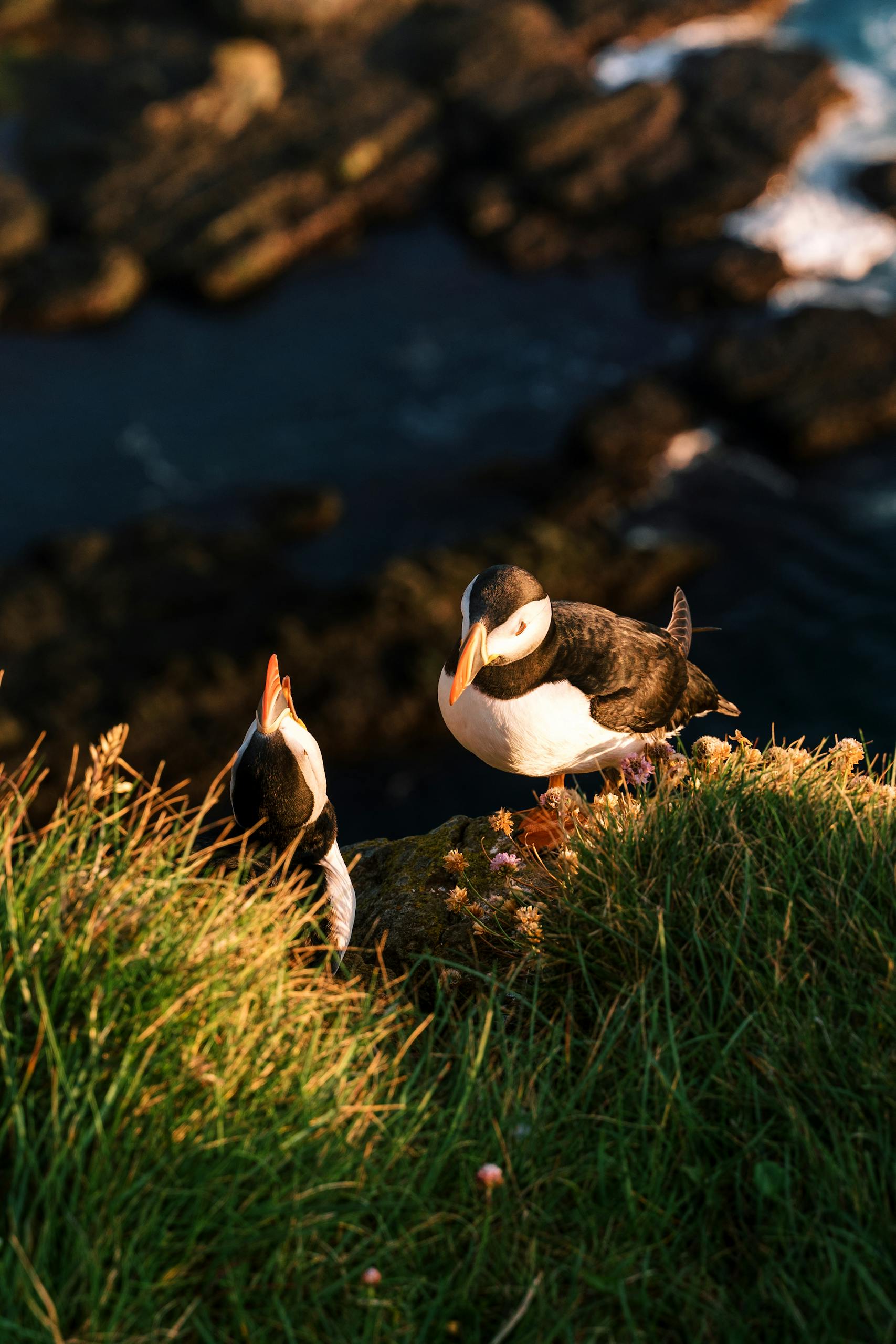
Puffins nest in Iceland between mid-May and August, with the best sightings in June and July. Dyrhólaey, Westman Islands, and Borgarfjörður Eystri are some of the most reliable spots.
Unique Tips for Visiting Iceland in Summer vs Winter
Every season in Iceland comes with its own challenges—and its own magic. Here are some of the most unique and practical tips we’ve learned over years of visiting in both extremes:
If you’re visiting in summer:
- Don’t overschedule your days. The midnight sun is tempting, but the exhaustion catches up fast. Travelers often burn out by day 4.
- Pack a sleep mask and earplugs. Blackout curtains aren’t always a thing in rural guesthouses, and some towns have surprisingly noisy seabirds.
- Book in advance—especially outside Reykjavík. In July, it’s not uncommon for entire regions to sell out of accommodations, rental cars, or glacier tours.
- Be ready for bugs. The Mývatn region and other inland lakes can be swarmed with midges (tiny non-biting flies). Bring a head net if you’re camping.
- Avoid the urge to race the Ring Road. Just because it’s open doesn’t mean you should try to drive it all in a week. You’ll spend more time driving than exploring.
- Sun protection matters. UV rays are deceptively strong, especially near glaciers. Bring sunglasses and a solid SPF (30 minimum) even if it’s overcast.
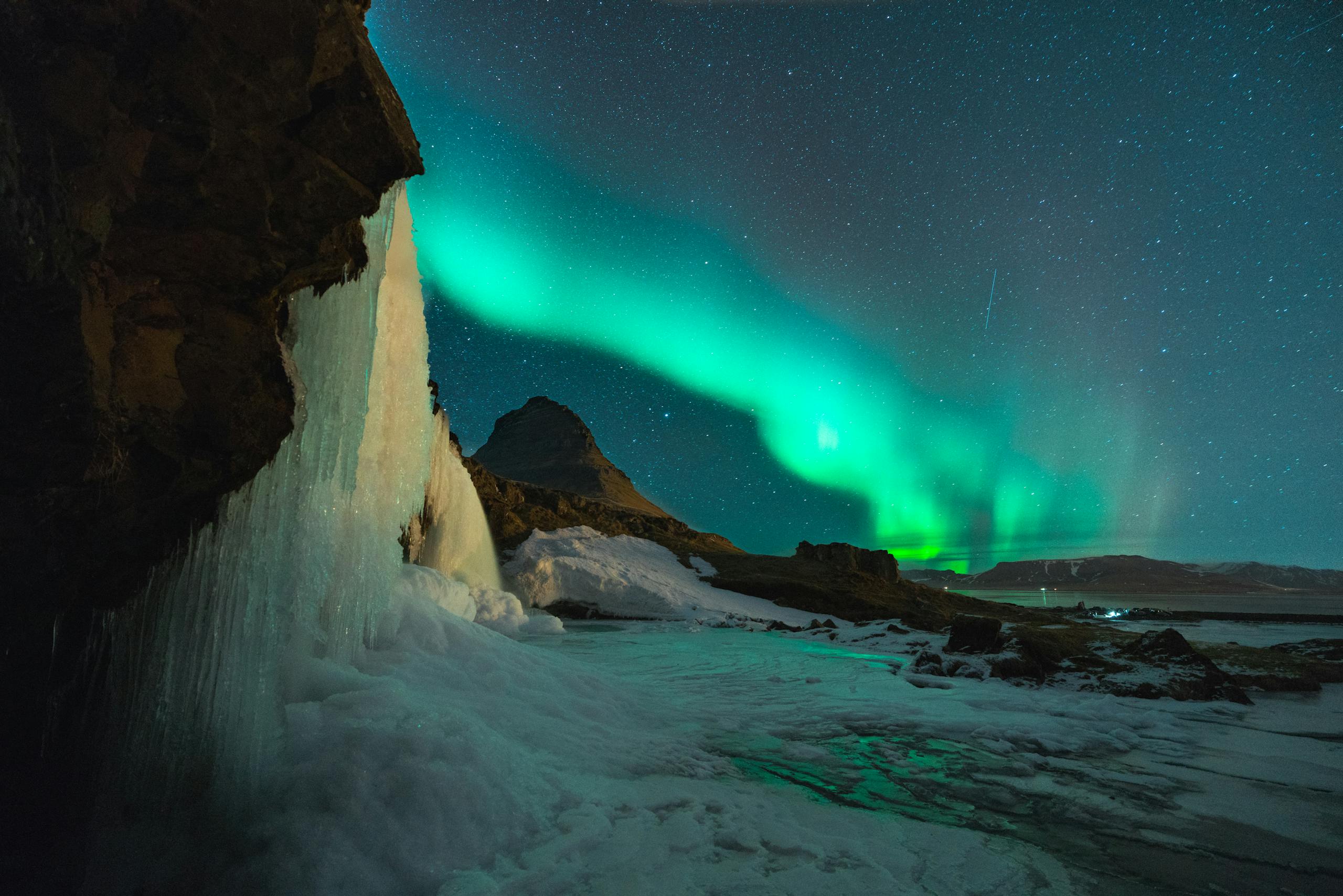
If you’re visiting in winter:
- Check road and weather conditions every single day. Use road.is and vedur.is like it’s a religion. Icelandic storms are real, and closures happen fast.
- Have buffer days. Don’t plan to drive back to the airport the same day as your flight, especially in December or January. One storm could ruin your timeline.
- Get a 4WD rental with winter tires. It’s not a luxury—it’s basic survival. And if you’re uncomfortable with driving in extreme winter conditions (think snowy, icy, narrow roads with inclines), build your trip around bus-accessible areas or day tours from Reykjavík.
- Wear microspikes. You can’t walk behind Seljalandsfoss or hike to Reykjadalur safely without traction. Most trails get dangerously slick, and I’ve seen several people take some nasty falls after it snowed!
- Be strategic about chasing the northern lights. Apps like Aurora Forecast help, but you’ll need clear skies, darkness, and luck. Stay in rural areas, avoid full moons, and give yourself multiple nights for the best chance.
- Keep hot food in the car. Icelandic gas stations often sell meat soup in thermoses, hardboiled eggs, and skyr cups. In winter, having emergency snacks is both convenient and smart!
Iceland FAQ
Is 7 days enough to see Iceland?
Seven days is enough to see a lot of Iceland, especially if you focus on the South Coast and Golden Circle. You won’t have time for the entire Ring Road, and honestly, you don’t need to rush it.
This itinerary gives you access to some of the country’s most dramatic landscapes—glaciers, waterfalls, beaches, and geothermal zones—without spending more time behind the wheel than necessary.
You’ll also have the flexibility to explore a few detours, get off the main trail now and then, and adjust for weather or road conditions. If this is your first time visiting Iceland, a focused one-week trip is a great introduction that still feels expansive.
How much does a 7-day trip to Iceland cost?
It depends on your travel style, but most people spend between $2,000–$3,500 USD per person for a one-week trip, including flights. Budget travelers staying in guesthouses and eating from gas stations or grocery stores can get by closer to $1,500–$2,000.
If you’re booking guided glacier hikes, soaking in spas, or eating out regularly, expect to pay more. Rental cars, fuel, and food are some of the biggest expenses—gas is especially pricey, and eating out adds up very quickly.
Booking accommodations early (especially in summer) helps you find better rates, and traveling in shoulder seasons like May or October can lower your overall costs.
What kind of car do I need in Iceland?
In summer, most travelers are fine with a small 2WD vehicle as long as they’re sticking to main roads. But in winter, or if you’re heading anywhere more remote (even just parts of Snæfellsnes), you’ll want a 4WD or AWD car with studded tires.
Iceland’s weather is unpredictable, and road conditions change quickly, especially from October to April. Renting something reliable—and knowing how to drive it—is more important than saving a few bucks.
Don’t skimp on insurance either, especially for gravel protection and wind damage, which are more common than you’d expect!
Is Iceland safe to drive in winter?
Yes, but it’s not for everyone. If you’ve never driven on icy roads or in whiteout conditions, you might want to stick to guided tours or keep your driving limited to well-maintained routes near Reykjavík.
That said, Iceland is one of the best countries in the world for solo or self-drive travel, and road safety is taken seriously. Iceland is great about giving real-time weather alerts, and don’t be afraid to change your plans if conditions aren’t ideal.
Always carry snacks, water, a backup battery, and warm gear in the car, especially in the more remote areas along the South Coast.
Can I see the northern lights in Reykjavík?
Technically, yes—but light pollution makes it much harder. You’ll have a much better chance of seeing the aurora outside the city in places like Vik, Hveragerði, or anywhere with a clear northern sky and low light interference.
If you’re staying in Reykjavík and the aurora forecast is promising, consider driving about 30–45 minutes outside of town (toward Thingvellir or the Reykjanes Peninsula) for better visibility.
You’ll also need luck with clear skies and solar activity, so give yourself a few nights in the countryside if the northern lights are a priority.
What are some things I can’t miss on this itinerary?
A few stops on this route are absolutely worth planning your days around. Jökulsárlón Glacier Lagoon and Diamond Beach are unlike anywhere else in the country, and you’ll want time to walk both sides of the road and just take it in.
The glacier hike in Skaftafell is a highlight if you’re visiting in season—it’s not just a photo op, it’s a real chance to get onto the ice with a certified guide. If you’re visiting in winter or shoulder season, the Katlatrack ice cave tour near Vik is a great alternative to the east coast caves and doesn’t require a full day of driving.
On the quieter side, the trail to Kvernufoss is short and rarely crowded, and soaking in either the Secret Lagoon or Reykjadalur gives you that geothermal experience without the chaos of the bigger spas.
You don’t need to do everything on this itinerary, but these are the ones worth making room for!
This 7 days Iceland itinerary gives you everything you need to see the country’s most dramatic landscapes without rushing through it or sticking to the same stops as everyone else. With a mix of iconic sights, lesser-known detours, and flexible options for both summer and winter, it’s the kind of trip that leaves room for spontaneous moments—without sacrificing structure.
Planning a trip to Iceland means working around unpredictable weather, long drive days, and seasonal closures, so having a smart plan makes a big difference.
👉 If you’d rather skip the research and have a custom version of this itinerary built just for your dates, style, and driving comfort, our team at The Travel Planning Experts can help!
We design tailor-made Iceland trips for solo travelers, couples, families, and honeymooners—whether you want to chase northern lights, hike glaciers, or soak your way across the country in hot springs.
You focus on the adventure—we’ll take care of the logistics.
