
Morocco is not a country you simply visit—it’s one that grabs you by the senses and doesn’t let go. You’ll smell spices before you even see the souks, hear five daily calls to prayer, and likely get lost in a medina within the first 30 minutes.
I’ve traveled extensively throughout Morocco—from the chaos of Marrakech to the quiet palm groves of the Dades Valley—and every region feels like a different world entirely. It’s stunning, it’s frustrating, it’s raw and vibrant and unpredictable in the best way. But it’s also not the easiest country to plan for—especially if you want to do it right.
This 10 day Morocco itinerary will show you exactly how to experience Morocco’s vibrant cities, mountains, and desert landscapes without the usual chaos.
You’ll learn how to get around without renting a car (trust me—you don’t want to drive here), which cities are worth your time, how to travel ethically without supporting animal tourism, and how to avoid the scams that so many first-time visitors fall for.
👉 TTPE Tip: Morocco is one of those destinations where logistics can easily spiral. Long-distance trains, complicated medina layouts, and inconsistent pricing mean your itinerary needs to be strategic. If that sounds overwhelming, The Travel Planning Experts can build you a personalized Morocco itinerary based on how you actually want to travel. No scams, no guesswork—just a smooth, authentic trip.
Quick Facts About Morocco
Capital: Rabat
Currency: Moroccan Dirham (MAD) – cash is king in Morocco
Language: Arabic, Amazigh (Berber), French, and English
Religion: Islam
Timezone: GMT+1
Plugs: Type C & E (European style); 220V
Transportation: ONCF trains are safe and affordable. Taxis and buses fill in regional gaps. Rental cars aren’t necessary.
Weather: Coastal and northern regions are mild year-round; the desert is brutally hot June–August
Visa for U.S. Travelers: No visa required for stays up to 90 days
10 Day Morocco Itinerary
Day 1: Arrive in Casablanca → Visit Hassan II Mosque → Train to Rabat
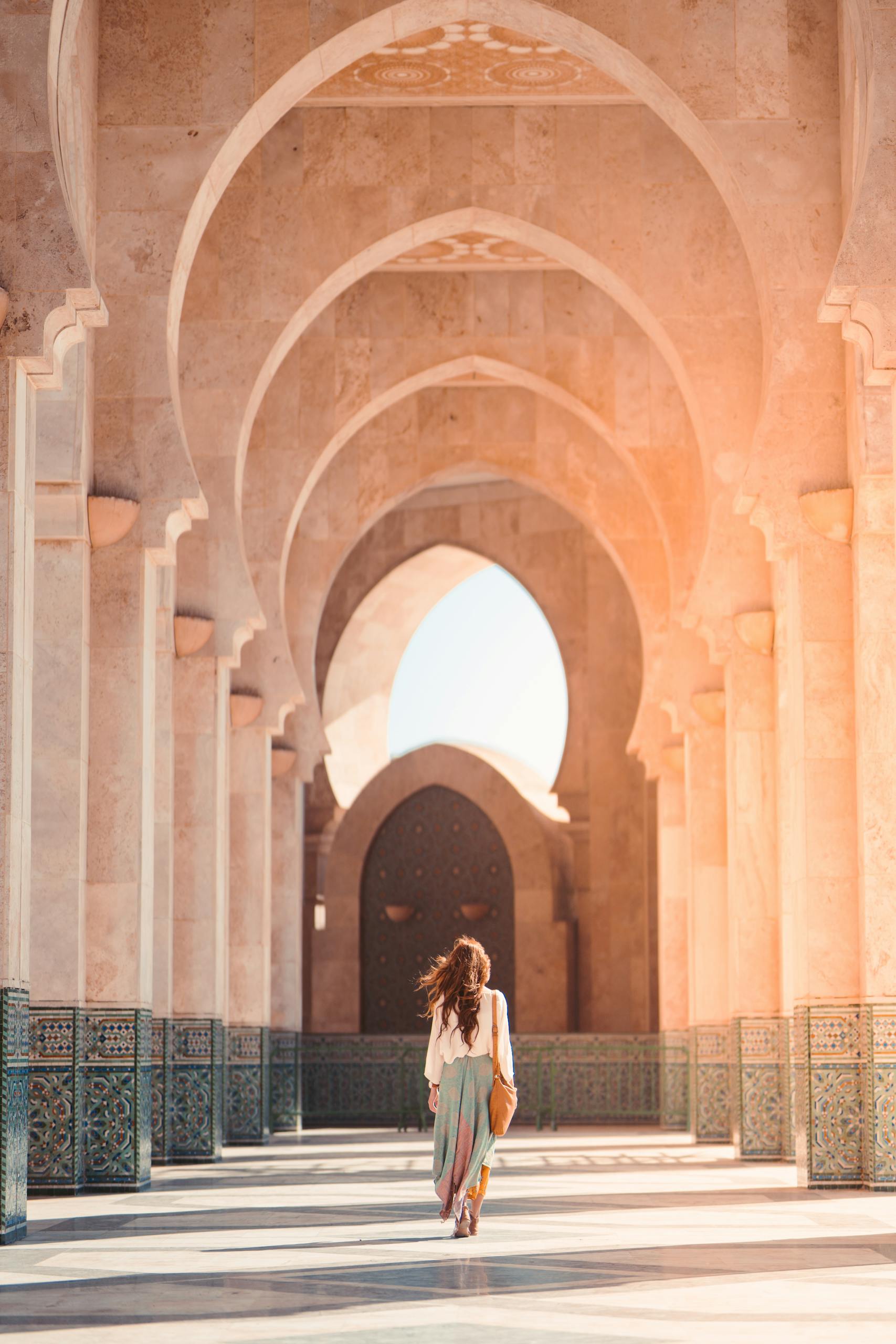
Land in Casablanca and make your way to the Hassan II Mosque, one of the few in Morocco open to non-Muslims. The sheer scale of it—perched dramatically over the Atlantic—is a jaw-dropping introduction to Moroccan architecture.
Other than seeing the mosque and walking the Corniche, there’s not much to do in Casablanca so it’s best to land early and move on when you feel up to it.
Grab a light lunch, then head to the train station for a quick 1-hour ride to Rabat, Morocco’s laid-back capital. It’s a perfect place to ease into the culture without the sensory overload.
Can’t Miss in Casablanca & Rabat:
- Hassan II Mosque interior tour (timed entry only)
- Stroll along Rabat’s Kasbah of the Udayas
- Sunset at Chellah Necropolis for moody ruins and storks
- Rabat’s Medina Gate (Bab el Had)—less chaotic than Marrakech
Overnight: Rabat
Day 2: Rabat to Chefchaouen (via Train to Tangier + Shared Taxi or Bus)
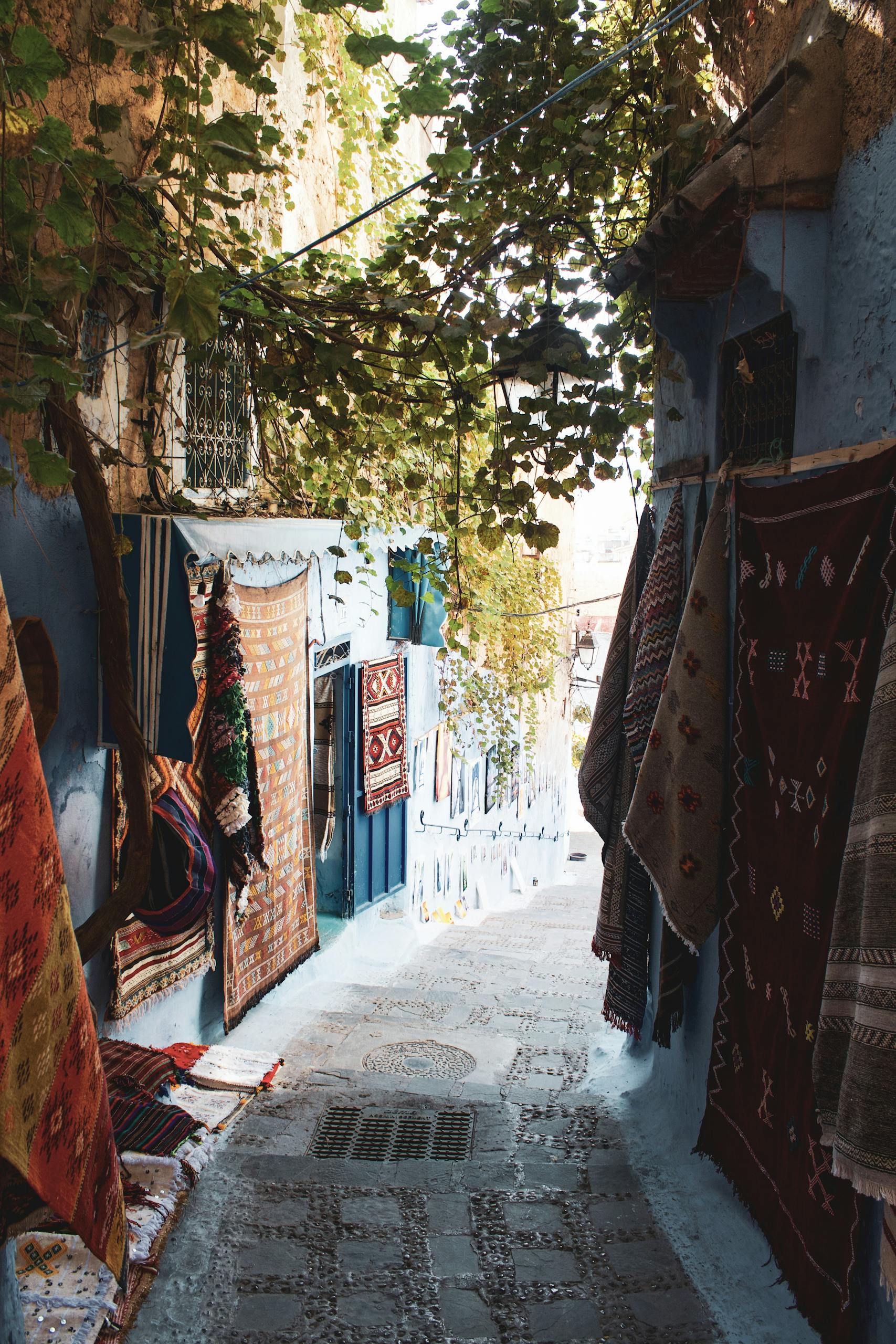
Catch a morning train to Tangier, then take a CTM bus or shared taxi into the Rif Mountains to reach Chefchaouen. Nicknamed the “Blue Pearl,” this town is as dreamy in person as it looks in photos—cascading blue buildings, quiet alleyways, and friendly locals.
Spend the afternoon wandering the medina, visiting the kasbah, and relaxing in the main square.
Can’t Miss in Chefchaouen:
- Photo ops along Rue Outa el Hammam and Bouzaafar Mosque Viewpoint
- Visit the Kasbah Museum for history and views from the tower
- Local goat cheese + honey at a rooftop café
- Walk to the Ras El Ma river for peaceful scenery away from crowds
Overnight: Chefchaouen
Day 3: Chefchaouen → Volubilis → Meknes → Fes (Private Transfer or Tour)
Today is a full travel day with incredible historical stops. Book a private or small-group transfer that includes Volubilis, Morocco’s best-preserved Roman ruins, and Meknes, an underrated imperial city with beautiful gates and mausoleums.
You’ll arrive in Fes by early evening, ready for a deep dive into Morocco’s spiritual and cultural capital.
Can’t Miss in Volubilis & Meknes:
- Volubilis mosaics—some of the most intact in North Africa
- Bab Mansour gate in Meknes for one of Morocco’s most striking façades
- Visit the Mausoleum of Moulay Ismail (open to non-Muslims)
- Walk through Place El Hedim, Meknes’ answer to Jemaa el-Fnaa (with fewer crowds)
Overnight: Fes
Day 4: Fes – Full Day Guided Exploration
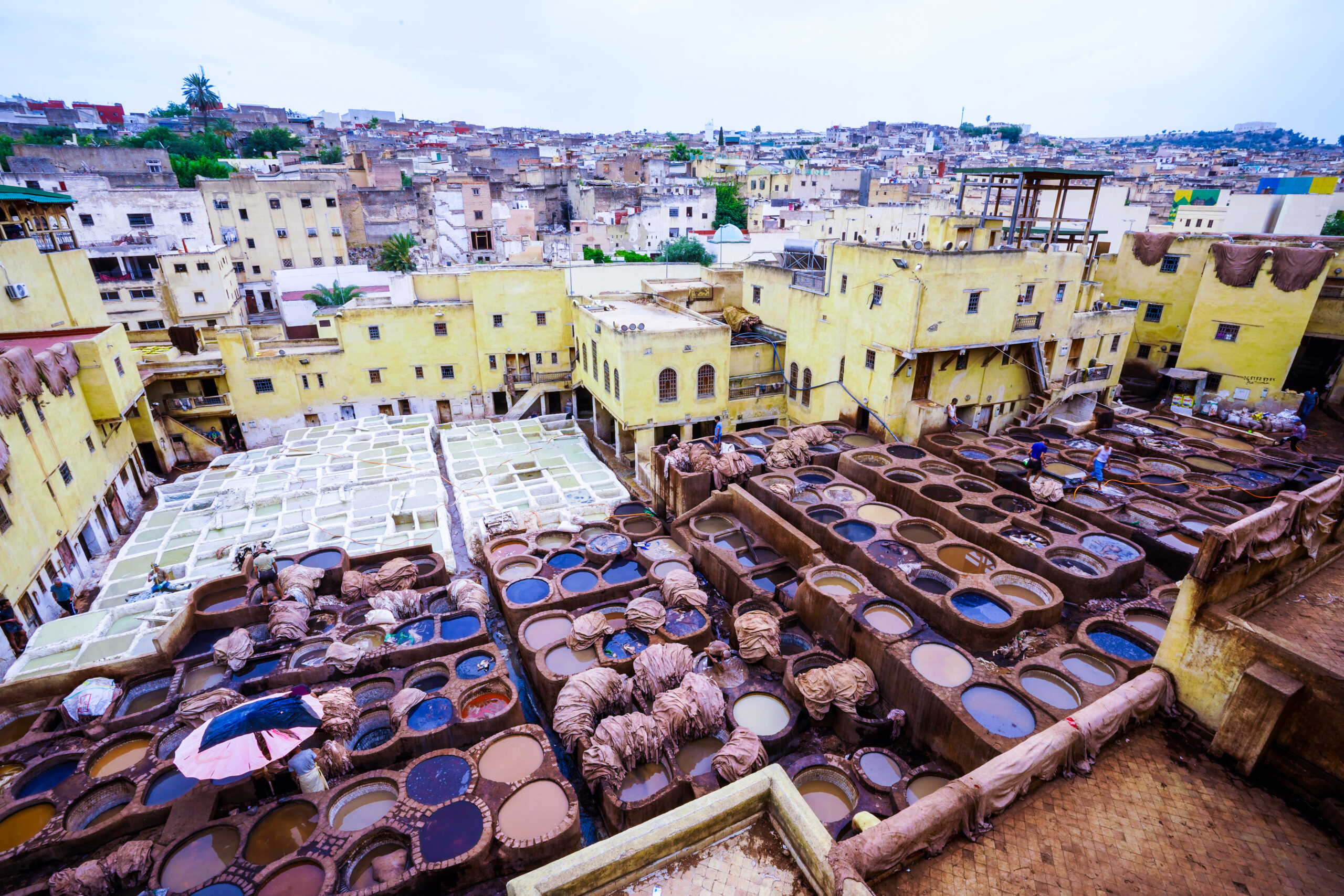
The Fes el-Bali medina is overwhelming to say the least! I got lost a handful of times (which was quite obvious to the locals) and never had less than five people trying to point me in different directions to either their friend’s restaurant or a fake travel guide.
Do yourself a favor and hire a licensed guide that will meet you at your hotel and help you navigate centuries-old alleyways while sharing the city’s rich Islamic and Andalusian history.
Can’t Miss in Fes:
- Viewpoint above the Chouara Tannery—early morning is best for photos
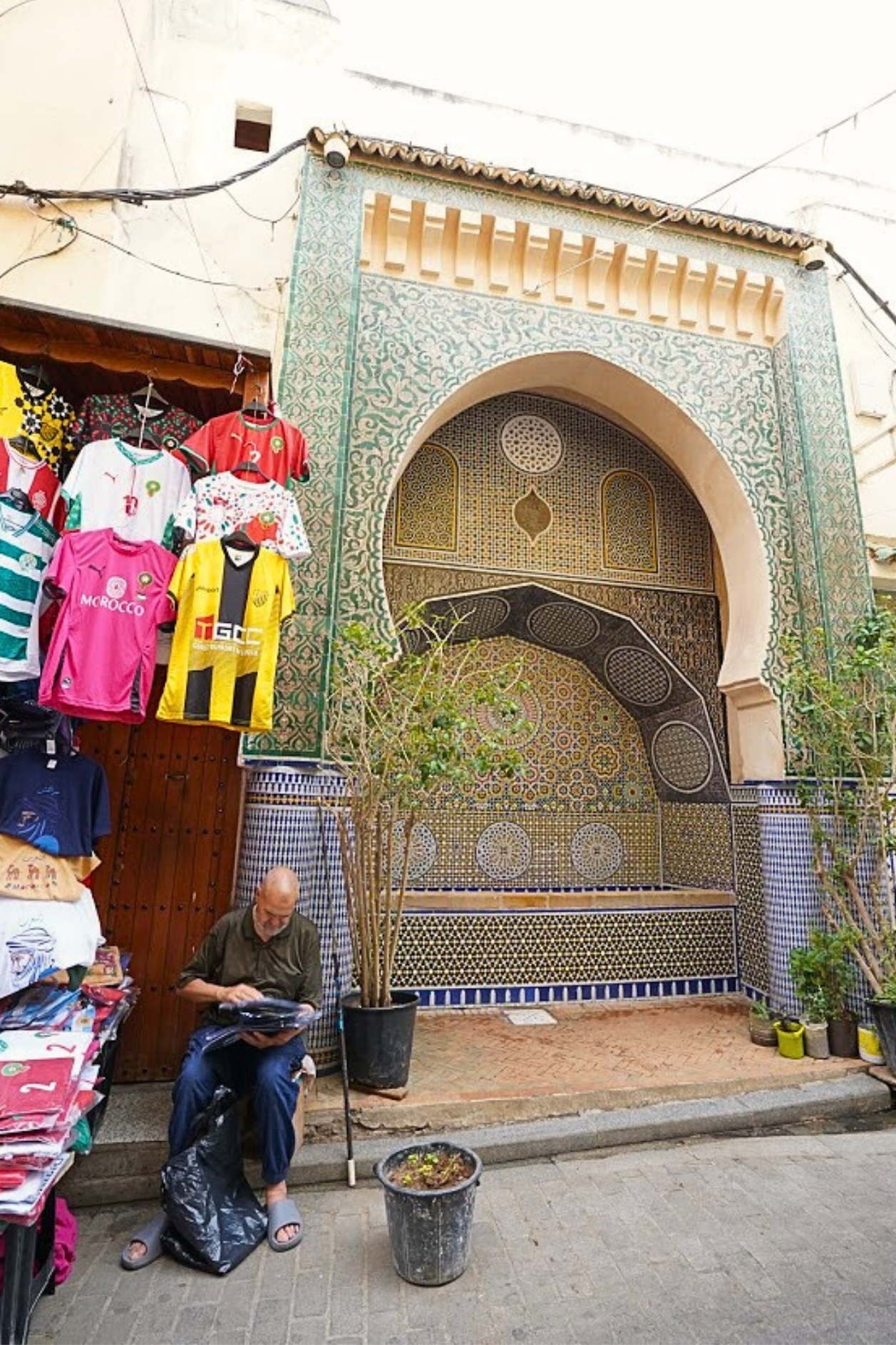
- The Souks—where artisans still use hand tools to make leather, metalwork, and zellige tiles
- Nejjarine Museum of Wooden Arts & Crafts for stunning zellige and architecture
- Taste pastilla (savory meat pie dusted with cinnamon and sugar)
- Visit a copper workshop near Place Seffarine
Overnight: Fes
👉 TTPE Tip: The Fes medina is NOT safe to walk around at night, especially alone. It’s full of poorly-lit narrow streets and many of the locals who work the medina during the day, sleep in it at night. Take it from someone who accidentally entered after dark (it’s quite easy to end up inside without realizing you entered if you aren’t careful), and found themself in some sticky situations. This is when and where the majority of crime happens against tourists, so avoid this area at all costs once nightfall hits.
Day 5: Fes to Errachidia by Train → Transfer to Erfoud or Merzouga Area
Skip the expensive private drivers and hop on a train to Errachidia. From there, arrange a trusted transfer through your accommodation to reach the desert towns of Erfoud or Merzouga.
This avoids long tourist drives and gives you more comfort for less cost. Spend the evening relaxing at your kasbah-style guesthouse and prepare for a full desert day tomorrow.
Can’t Miss en route to the Desert:
- Views of the Ziz Valley from above—lush palm groves cutting through dry rock
- Stop in Midelt for lunch and a chance to stretch your legs
- Sample medfouna (often called Berber pizza) once you hit the desert edge
- Stargazing on a clear night from your lodge’s rooftop or terrace
Overnight: Near Merzouga
Day 6: Sahara Desert – Dunes, Villages, and Culture
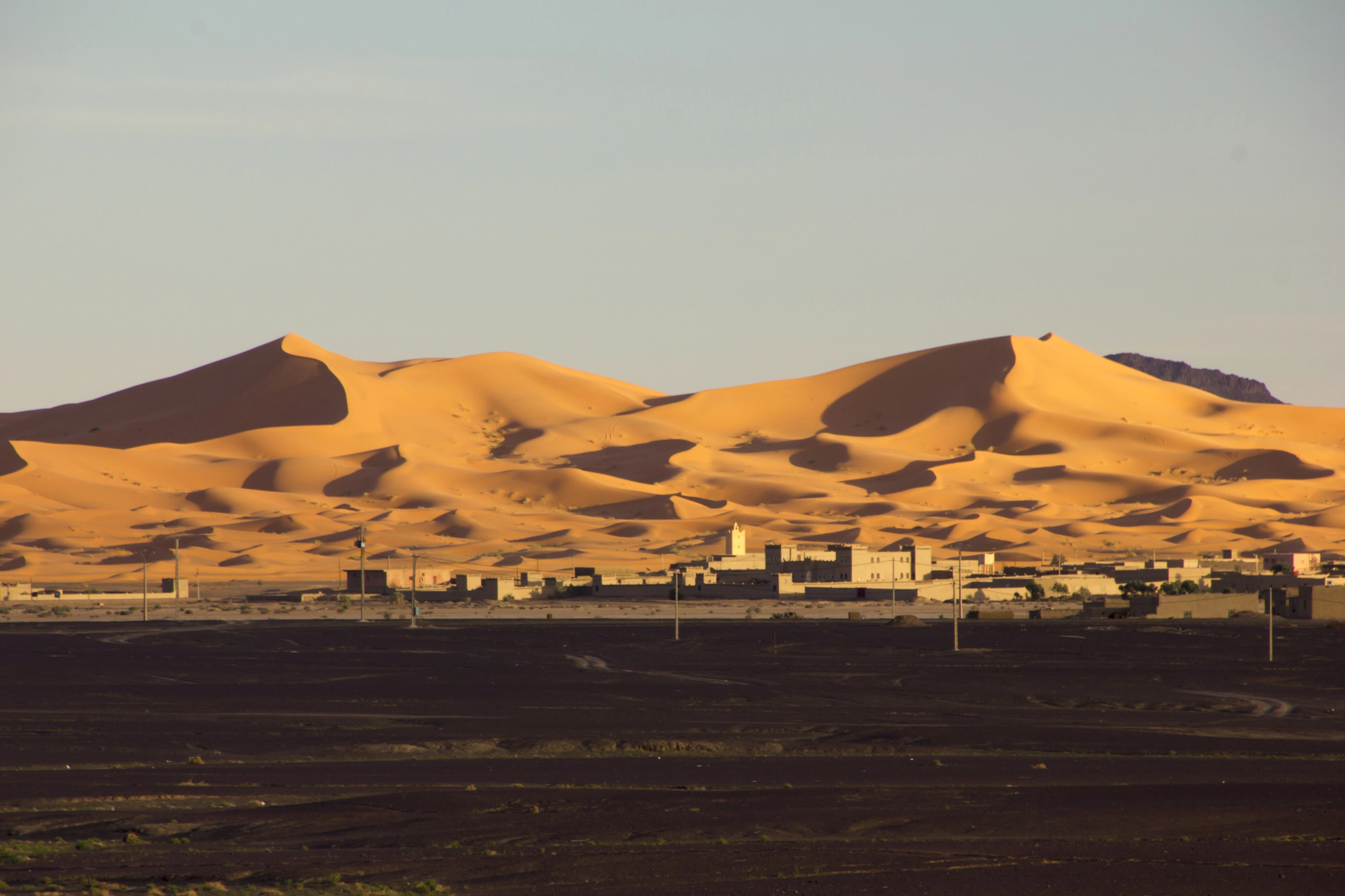
Be kind to the camels and experience the Sahara on foot or by 4×4. You can hike into the Erg Chebbi dunes at sunrise, visit Khamlia village for traditional Gnaoua music, or learn about Amazigh culture from local families over mint tea.
Many desert lodges also offer sandboarding, fossil hunting, or cooking classes. This is your day to soak in the desert’s silence, rhythm, and resilience.
Can’t Miss in the Sahara:
- Early morning hike up Erg Chebbi for sunrise
- Live performance of Gnaoua drumming in Khamlia
- Try making Berber bread in a clay oven with a local host
- Visit Tisserdmine oasis for palm groves and a slower pace
Overnight: Same guesthouse or desert eco-lodge
Day 7: Merzouga → Todra Gorge → Dades Valley
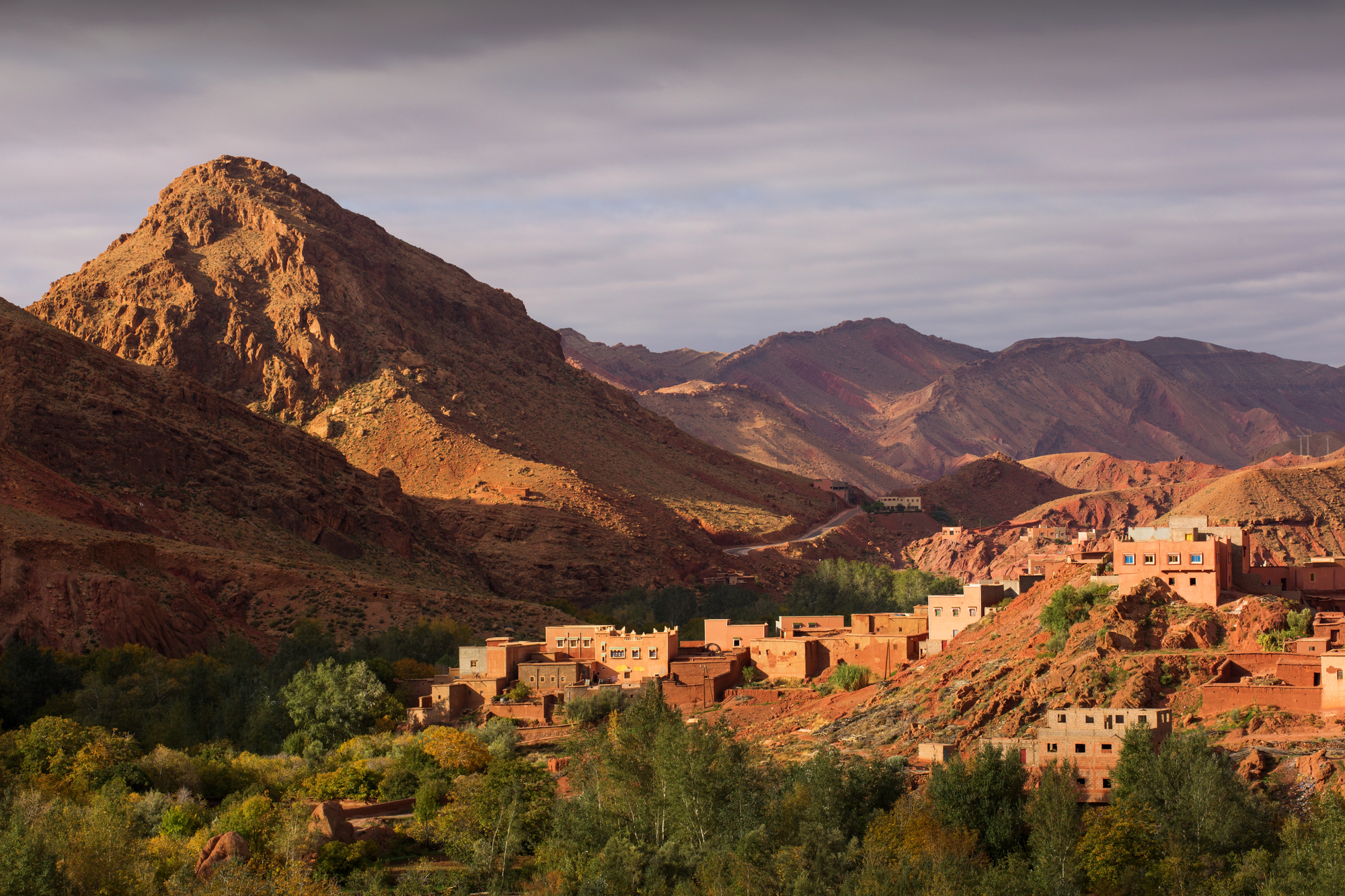
Make your way north toward the Todra Gorge, a deep canyon with vertical cliffs perfect for short hikes or peaceful riverside walks. Continue through scattered Berber villages until you reach the Dades Valley, known for dramatic red rock formations and quiet, scenic trails.
Can’t Miss in Todra & Dades:
- Hike the lower canyon trail at Todra Gorge
- Stop at the “Monkey Fingers” rock formations for surreal views
- Visit a women’s co-op selling natural rose products in Kelaat M’Gouna
- Tea with a local family overlooking the valley
Overnight: Dades Valley
Day 8: Dades Valley → Ait Ben Haddou → Ouarzazate
Head west through the High Atlas foothills and stop at Ait Ben Haddou, a UNESCO World Heritage Site and film location for Game of Thrones and Gladiator. Walk through the fortified ksar and climb to the top for panoramic views.
Optional stop at Atlas Studios in Ouarzazate if you’re into movie sets, or continue on for a more relaxed afternoon.
Can’t Miss in Ait Ben Haddou & Ouarzazate:
- Climb the Ait Ben Haddou granary tower at sunset
- Visit the Cinema Museum in Ouarzazate for old props and gear
- Sip tea at a kasbah café facing the ksar
- Check out the Taourirt Kasbah, one of the most accessible in the region
Overnight: Ouarzazate or nearby Skoura
Day 9: High Atlas Crossing → Marrakech
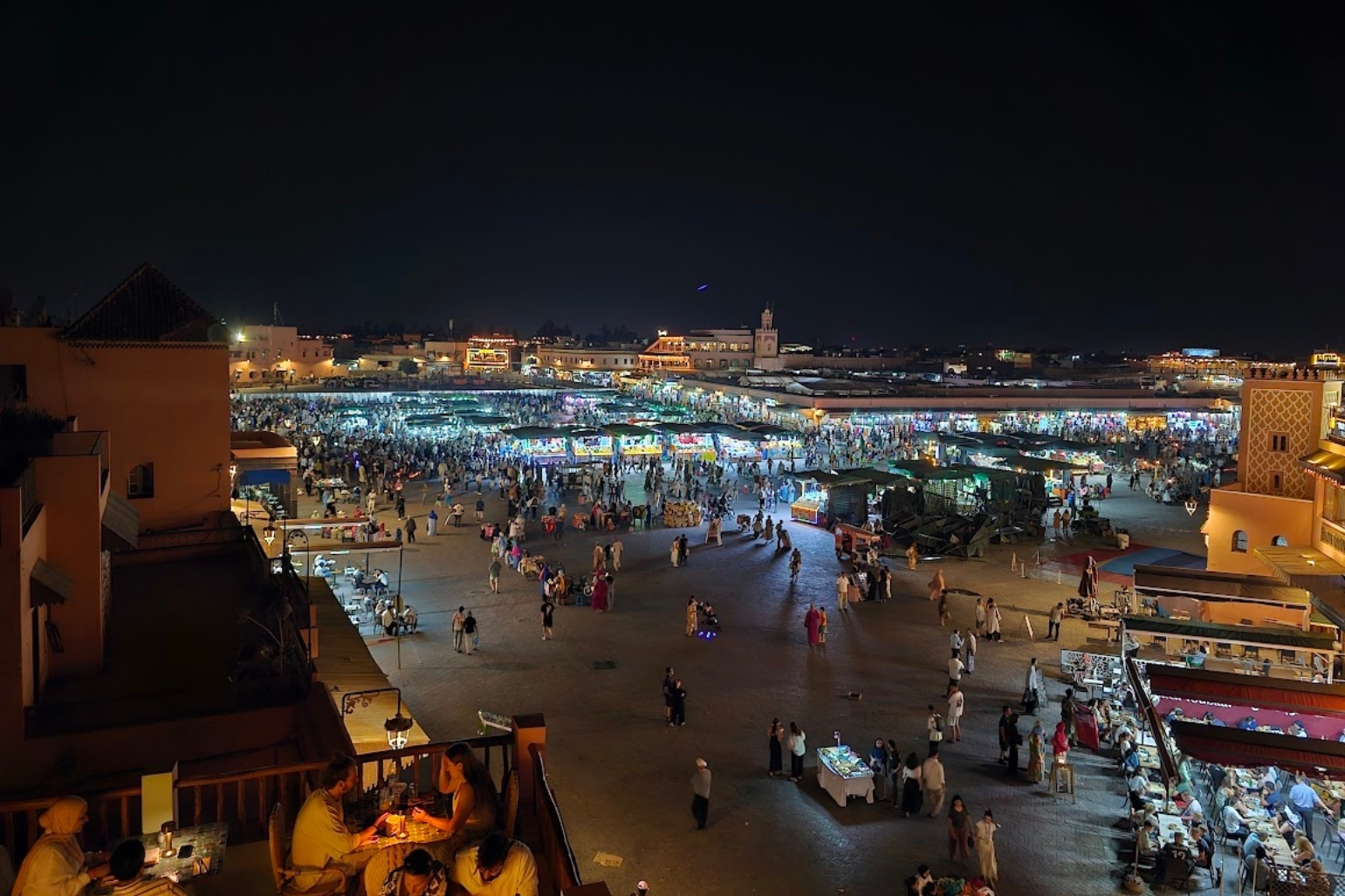
Drive through the Tizi n’Tichka Pass, one of the most scenic and hair-raising routes in Morocco. You’ll eventually descend into the plains of Marrakech. Expect a sensory explosion—street performers, snake charmers, spice stalls, and souks that seem to go on forever. Rest up, or join a sunset rooftop dinner with a local food guide.
Can’t Miss Along the Way:
- Panoramic lookout at Tizi n’Tichka—ask your driver to stop
- Visit an argan oil women’s cooperative for demos and snacks
- Photo ops at the winding roads of Telouet
- Rooftop view of Jemaa el-Fnaa at dusk from a quiet café above the fray
Overnight: Marrakech
Day 10: Marrakech – Full Day Exploration
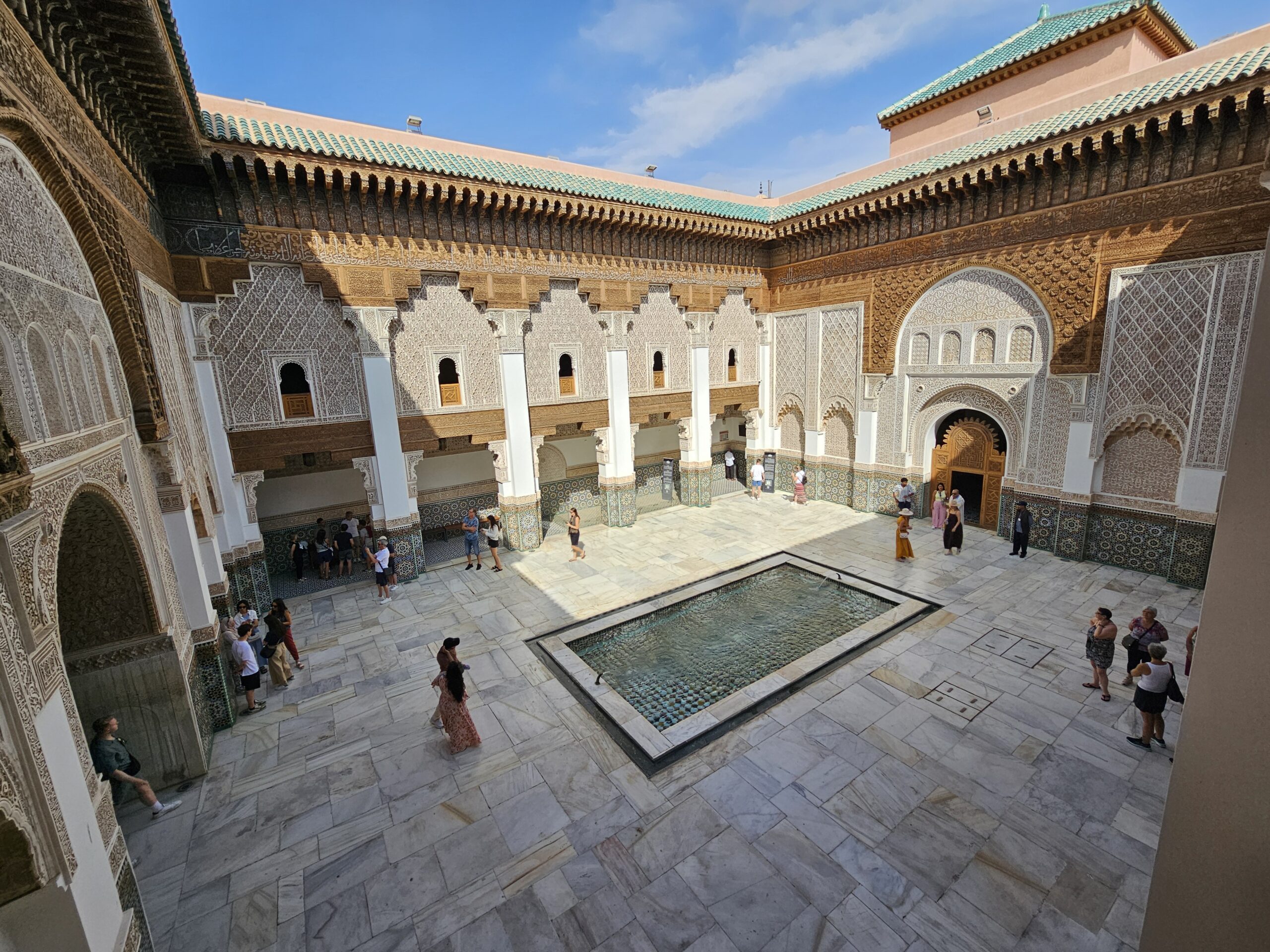
Spend your final day visiting the city’s highlights: the Jardin Majorelle, Bahia Palace, Medersa Ben Youssef, and the buzzing Jemaa el-Fnaa square. Don’t miss the souks, especially if you want to take home spices, textiles, or handcrafted ceramics. Wrap up your trip with a traditional hammam or spa experience before heading to the airport.
Can’t Miss in Marrakech:
- Morning visit to Jardin Majorelle before crowds hit
- Try avocado juice or orange blossom pastries in the medina
- Visit the Photography Museum of Marrakech for vintage portraits
- Book a food tour or cooking class to end your trip on a flavorful note
Overnight: Marrakech (or fly home)
Our Unique Morocco Travel Tips
- Use the train whenever possible: It’s cheap, safe, and avoids the chaos of Moroccan roads. Book first class for extra comfort (though some may consider this “basic comfort”)—it’s worth the $2–$5 upgrade.
- Don’t follow random “guides”: Anyone approaching you in the medina saying “that street is closed” or “I’ll show you” is almost always running a scam. Just say “no thank you” and keep walking confidently.
- Fridays are sacred: Many stores and restaurants shut down for Jummah prayers around midday. Plan accordingly.
- Don’t photograph people without asking: Especially women, children, and shopkeepers—it’s not only rude but can sometimes escalate into conflict.
- Wear layers, even in summer: It’s hot, yes—but loose, breathable long sleeves offer sun protection and cultural respect.
- Mint tea is more than a drink: It’s an invitation. If a shopkeeper offers it, expect to stay a while. Say yes if you’re open to chatting—say no if you’re in a rush.
- Google Maps doesn’t work in medinas: Download Maps.me or be ready to get lost (and enjoy it).
Safety Tips + U.S. Travel Recommendations
- Register with the U.S. STEP program: The Smart Traveler Enrollment Program keeps you in the loop about local emergencies and lets the embassy know you’re there.
- Petty theft is the #1 issue: Use crossbody bags with zippers and never leave phones or valuables unattended in cafes, even for a second.
- Avoid traveling rural roads at night: Lighting is poor and locals often drive without headlights. Stick to daytime journeys or train routes when possible.
- Women should expect some street harassment: Sunglasses, modest clothing, and a fake wedding ring go a long way. Walk with purpose and ignore catcalls—they’re almost always harmless, but still annoying.
- Avoid political gatherings or protests: Even peaceful ones can escalate. Stay aware of your surroundings in major city centers.
- Keep cash on hand, but split it up: ATMs are common, but power outages happen. Don’t carry all your money in one spot.
- Emergency Numbers: Police – 19 (landline) or 112 (mobile). U.S. Embassy is located in Rabat and open Mon–Fri.
FAQ
How much time do you need for Morocco?
Ten days is the sweet spot for first-time travelers who want to see more than just Marrakech and Fes. It gives you enough time to explore the coast, mountains, desert, and imperial cities without rushing through every stop.
Anything less and you’ll likely have to cut out the Sahara or miss the smaller towns that make Morocco feel so layered. If you’re slower-paced or want to include beach time, consider stretching your trip to 2 weeks.
But for a solid, diverse overview, 10 days is perfect!
Is Morocco safe to visit in 2025?
Yes, Morocco is generally safe for tourists, including solo female travelers. Petty theft and scams in tourist zones are the biggest concerns, not violent crime.
Stick to well-known accommodations, don’t walk alone at night at all if you can, but particularly in in unfamiliar neighborhoods or the medinas, and avoid political demonstrations altogether.
Trains and buses are typically safe and reliable, and most Moroccans are incredibly hospitable—especially when you show interest in their culture and language. Like anywhere, awareness and preparation go a long way.
What is the nicest part of Morocco?
If you love slow mornings, quiet towns, and photography, then Chefchaouen takes the win. For drama and rugged beauty, Dades Valley and the Sahara are unbeatable.
Marrakech is chaotic but fun, and Fes is deeply historic and local. If you are seeking areas outside the tourist trail, then places like Skoura and Midelt are where you’ll really feel Morocco’s natural beauty and cultural depth without the crowds.
What is the best time to visit Morocco?
The best time to visit Morocco is spring (March–May) and fall (September–November). You’ll avoid the scorching desert heat and still have sunny skies.
Summer can be brutally hot—especially in the interior and desert—and winter brings cold nights and rain in the north. That said, Morocco is a year-round destination depending on where you’re headed. Just pack layers and check regional forecasts in advance.
How much does a 10 day trip to Morocco cost?
Expect to spend $1,200–$2,000 per person for a 10-day Morocco trip, depending on your travel style.
Budget travelers can get by on $70–$90/day with trains, riads, and street food. Mid-range travelers should plan for $120–$180/day, which covers nice accommodations, private guides, and a few splurges.
Add more if you’re staying in luxury riads or hiring private transfers. Just keep in mind: cash-based tips and spontaneous purchases add up fast.
Should I spend more time in Marrakech or Fes?
If you love trendy cafes, rooftop dinners, and fast-paced energy, go with Marrakech. If you prefer history, craftsmanship, and authenticity, then Fes is your city.
Fes feels more “real”—less polished, more immersive. That being said, the “reality” of Fes is that it’s not as kind to tourists and many people return feeling that it was unsafe or overwhelming.
👉 I felt fine exploring Fes during the day, but after dark, the energy shifted in a way that genuinely felt unsafe. I wouldn’t recommend walking alone at night there—especially as a woman. In contrast, I had no issues walking around Marrakech alone at night as a 5’2″ female and felt far more at ease. Fes just didn’t offer that same sense of security once the sun went down.
Marrakech is much easier to navigate and more developed for tourism. I recommend at least 2 full days in each to get a feel for both, but if you have to choose one—go with Fes for culture or Marrakech for convenience.
Do I need a visa to travel to Morocco from the U.S.?
Nope! U.S. citizens can enter Morocco visa-free for stays of up to 90 days. You’ll just need a passport valid for at least six months beyond your entry date.
Border agents may ask for proof of onward travel or accommodation, so keep your documents handy. No special vaccines or entry forms are currently required for 2025, but double-check State Department updates before your trip.
Can I use credit cards in Morocco?
You can occasionally, but don’t rely on them. In many hotels, restaurants, taxis, and shops throughout the medinas, cash is king.
ATMs are widely available in major cities, but they can run out of bills or go offline, so always carry a backup stash in small denominations.
How do I plan a trip to Morocco?
Start by deciding how much time you have and what kind of experiences you’re after—cities, mountains, coast, or desert.
From there, build a realistic route using train travel between major hubs like Casablanca, Rabat, Fes, and Marrakech, and arrange private transfers or trusted tours for harder-to-reach places like the Sahara, Chefchaouen, or Dades Valley.
Avoid renting a car unless you’re extremely confident driving in aggressive local traffic, and don’t try to cram too much into one trip—Morocco has layers, and it’s best explored at a steady pace. Once you’ve sketched your route, look into cultural norms, modest dress, and what areas are best visited with a guide.
If you’re feeling overwhelmed or want to make sure you’re doing it ethically and efficiently, The Travel Planning Experts can create a personalized Morocco itinerary that handles the logistics for you—no tourist traps and no guesswork!
Planning a trip to Morocco is exciting—but it’s also one of the more complicated countries to navigate if you’ve never been. The roads can be chaotic, the scams frustrating, and the options overwhelming. But if you take the time to understand the rhythm of this place, Morocco will give you a travel experience that’s completely unforgettable.
If you’re unsure where to begin or just want to take the guesswork out of the process, we’d love to help. Our team at The Travel Planning Experts can build your dream 10 day Morocco itinerary with the perfect mix of local culture, responsible travel, and adventure that actually fits you.
👇 Just fill out the form below and one of our specialists will reach out within 24 hours!
