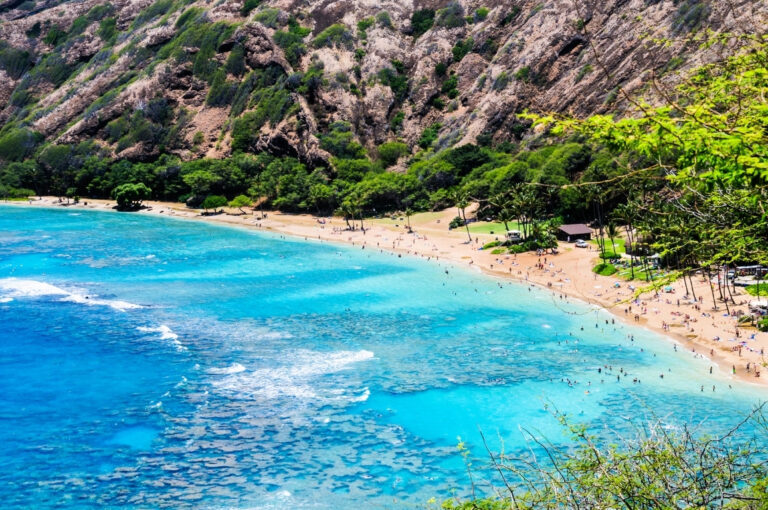
Whether you’re chasing waterfalls, lava flows, surf breaks, or just the perfect beachside cocktail, Hawaii delivers in every way. This Pacific paradise is made up of over 130 islands, but travelers typically focus on the six main ones: Hawaii (the Big Island), Maui, Oahu, Kauaʻi, Lānaʻi, and Molokaʻi.
Each island has its own personality, highlights, and rhythm which we’ve broken down in this comprehensive Hawaiian Islands Destination Guide!
This guide will help you figure out which islands are right for your trip, the best times to visit, and what to know before you go. We’ve also included ample information on the best activities in every season and insider travel tips on the best secret destinations across the islands!
Start Planning Your Trip to Hawaii
The islands are the perfect getaway for couples and families
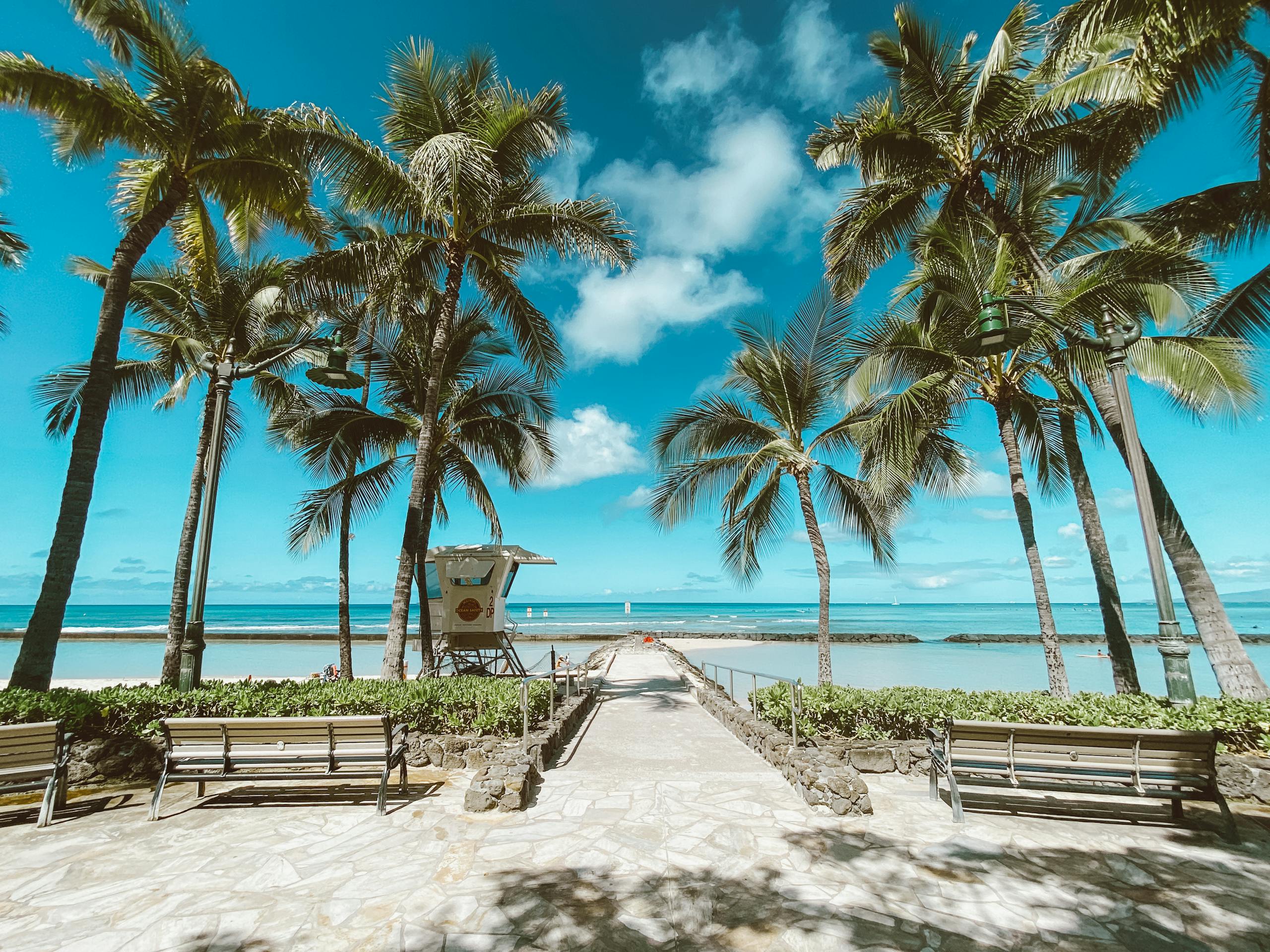
Hawaiʻi (The Big Island) – The Island of Adventure
The Big Island is the largest and most geologically diverse of all the Hawaiian Islands. It’s where you can go from snow-covered peaks to active lava flows all in a single day. With fewer crowds and wide-open landscapes, it’s a dream for adventurers and nature lovers.
Top Highlights:
- Hawaii Volcanoes National Park – See Kīlauea and Mauna Loa up close, walk through lava tubes, and watch steam vents hiss from the earth.
- Mauna Kea – For the best stargazing in the world, head to the summit. Bundle up—it’s freezing up there!
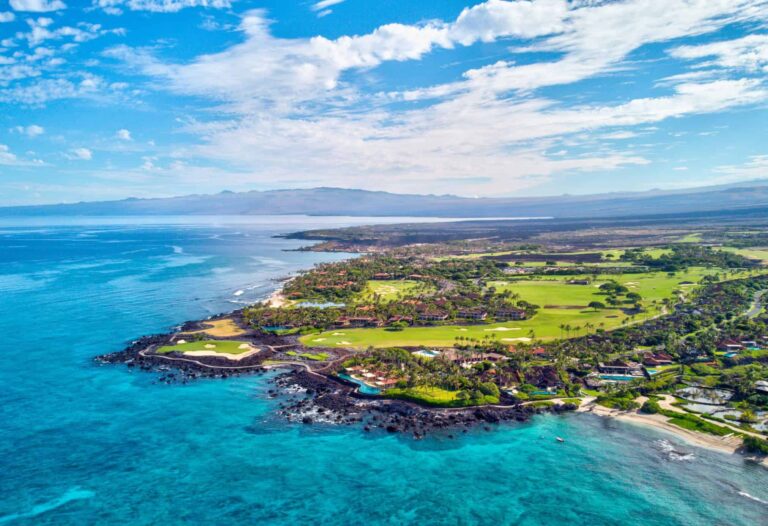
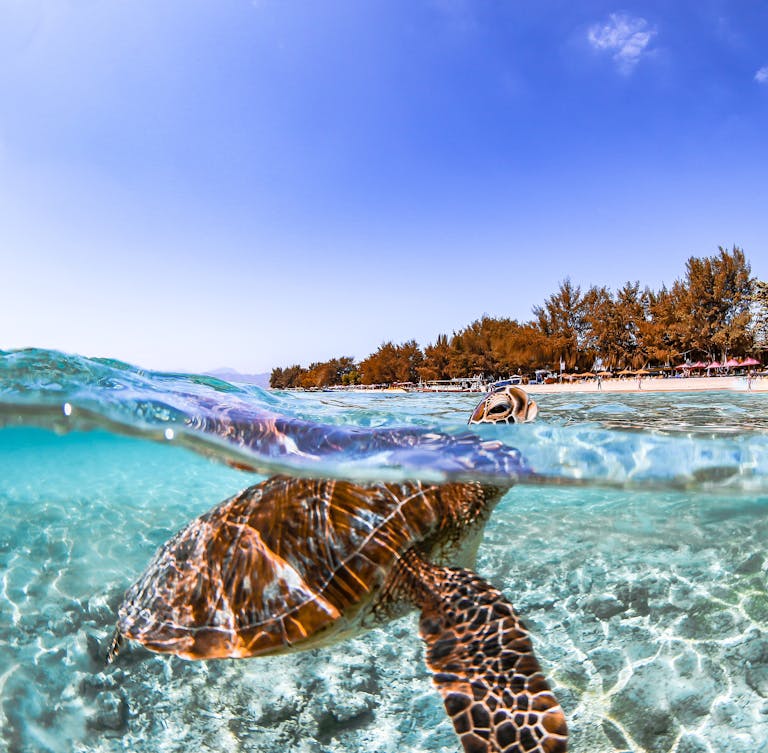
- Kona & Kohala Coast – Dry and sunny, this side of the island has fantastic snorkeling, coffee farms, and luxury resorts.
- Hilo & the Hamakua Coast – Lush and rainy, perfect for waterfalls, botanical gardens, and farmers markets.
- Green and Black Sand Beaches – Rare and beautiful, like Punaluʻu Beach and Papakōlea Beach, which require a bit of a trek.
➡️ Best For:
Adventure seekers, volcano lovers, road trippers, and anyone wanting to experience raw natural beauty.
➡️ Activities:
Lava viewing, hiking, snorkeling, stargazing, coffee tasting, beach hopping, cultural tours.
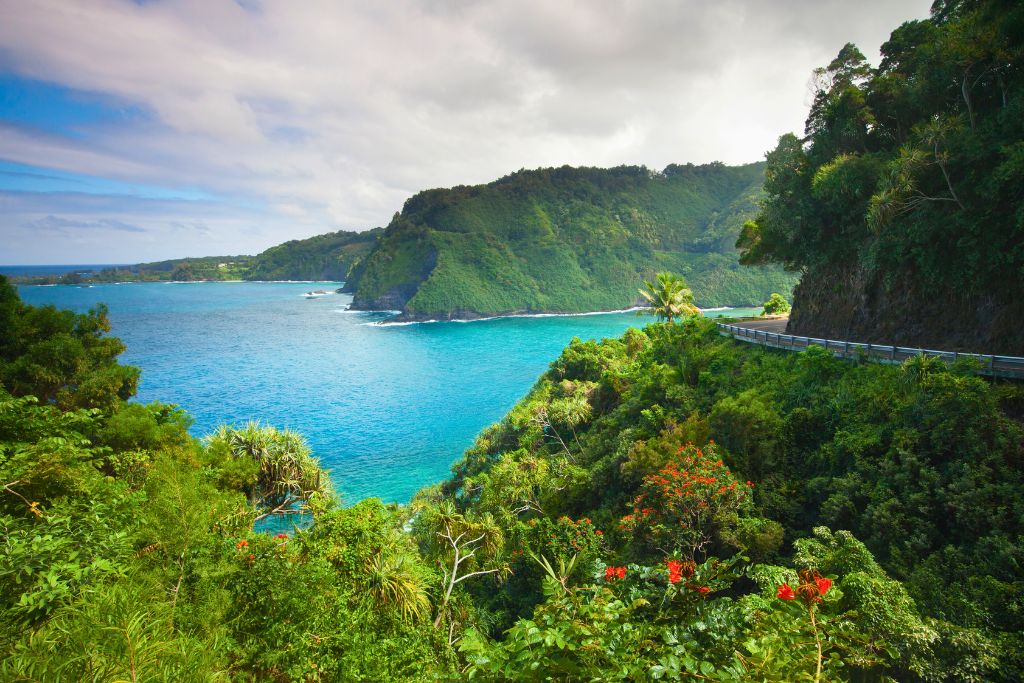
Maui – The Valley Isle
Maui strikes a balance between outdoor adventure and resort luxury. It’s a favorite for honeymooners, whale watchers, and families looking for a little bit of everything.
Top Highlights:
- Road to Hāna – One of the world’s most scenic drives with waterfalls, rainforests, and stunning ocean views.
- Haleakalā Crater – Watch the sunrise above the clouds from ten thousand feet, or hike inside the lunar-like crater.
- Molokini Crater – A crescent-shaped volcanic atoll with some of the clearest snorkeling in Hawaiʻi.
- Lāhainā & Kāʻanapali – Historic towns with oceanfront restaurants, shopping, and gorgeous beaches.
➡️ Best For:
Couples, families, luxury travelers, and outdoor enthusiasts.
➡️ Activities:
Snorkeling, whale watching, ziplining, hiking, beach days, scenic drives.
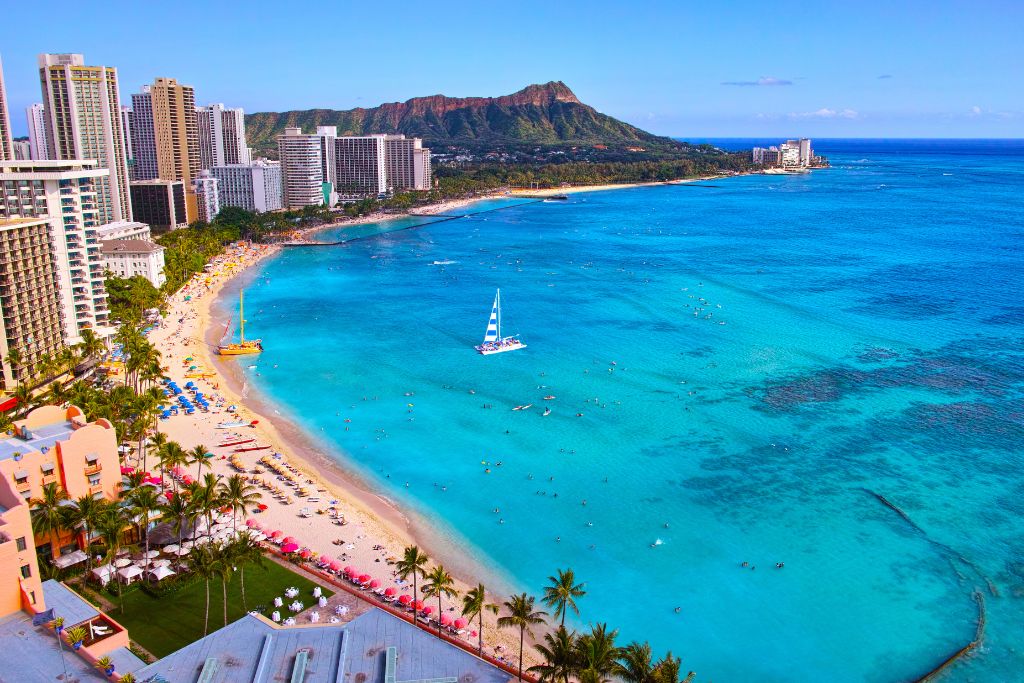
Oʻahu – The Gathering Place
Oʻahu is home to the capital city, Honolulu, and blends urban life with island vibes. It’s the most populated and visited island, offering a mix of history, nightlife, surf culture, and adventure.
Top Highlights:
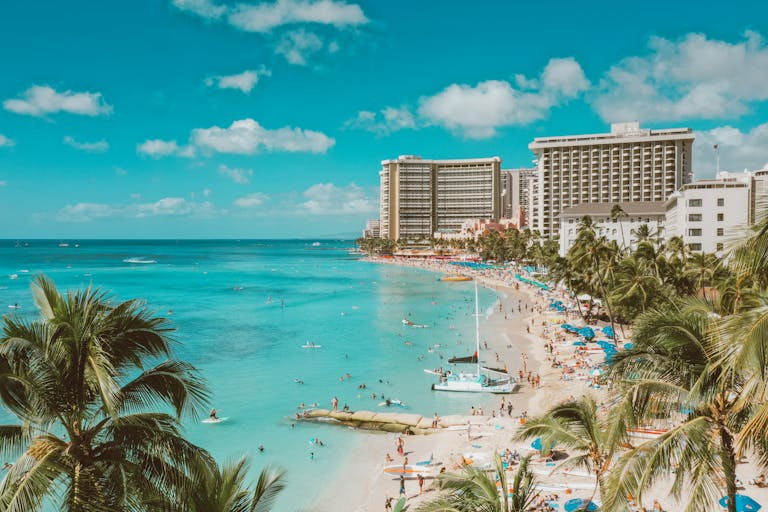
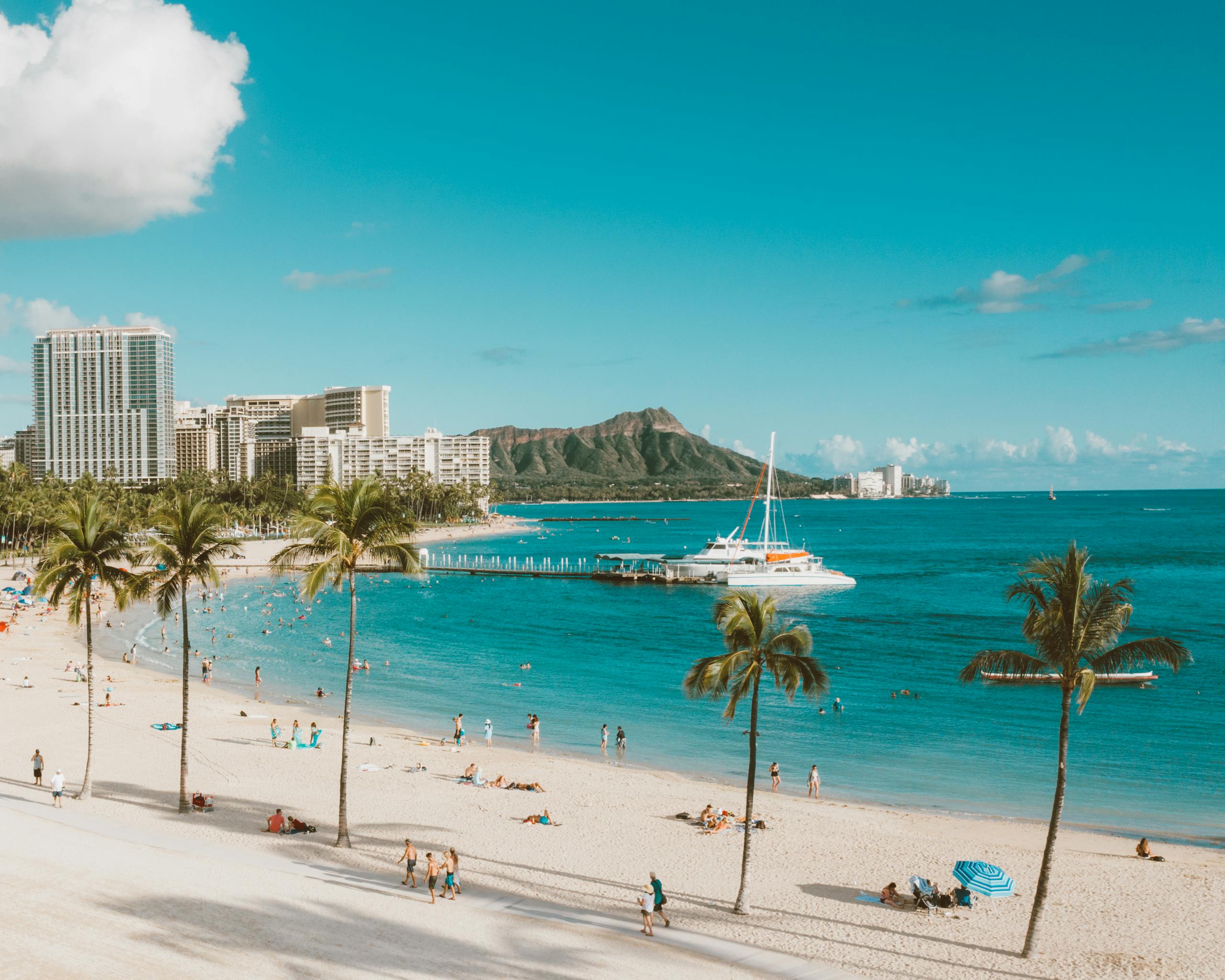
- Waikīkī Beach – Iconic and lively, lined with shops, resorts, and beach bars.
- Pearl Harbor – A moving historical site with museums, memorials, and WWII relics.
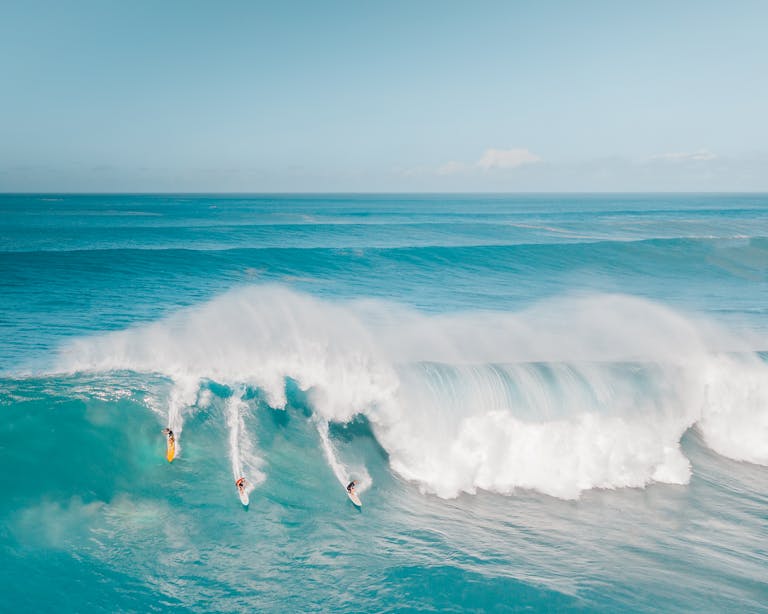
- North Shore – Surf mecca in winter, calm snorkeling haven in summer.
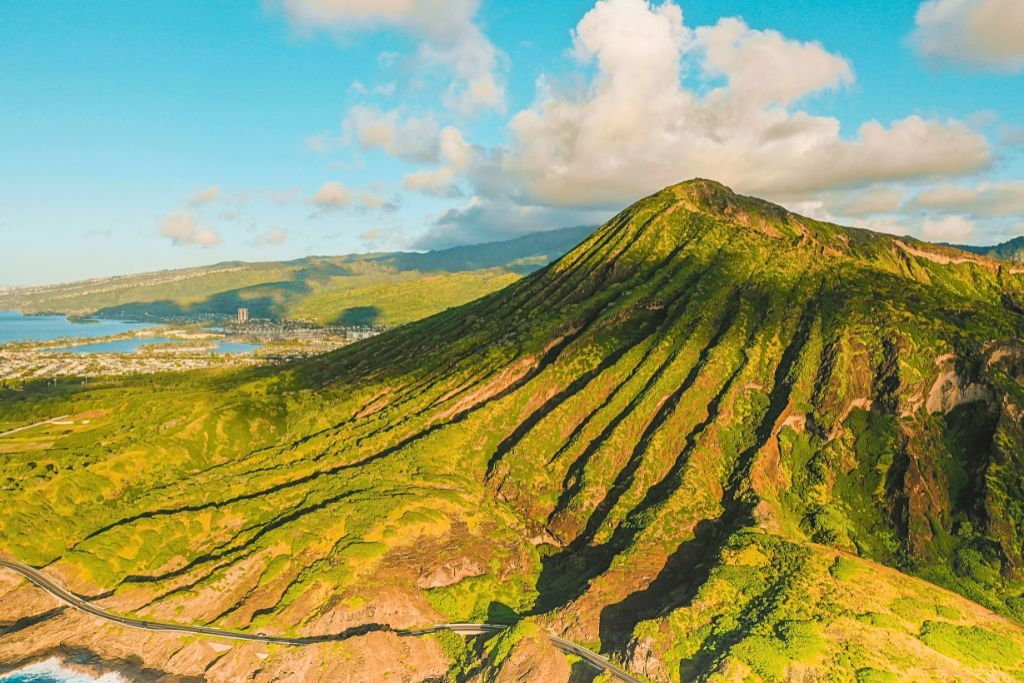
- Diamond Head & Kualoa Ranch – Hike a crater or tour movie sets in Jurassic-like valleys.
➡️ Best For:
First-timers, surfers, city lovers, history buffs, and families.
➡️ Activities:
Surfing, museum visits, hiking, nightlife, beach hopping, shopping.
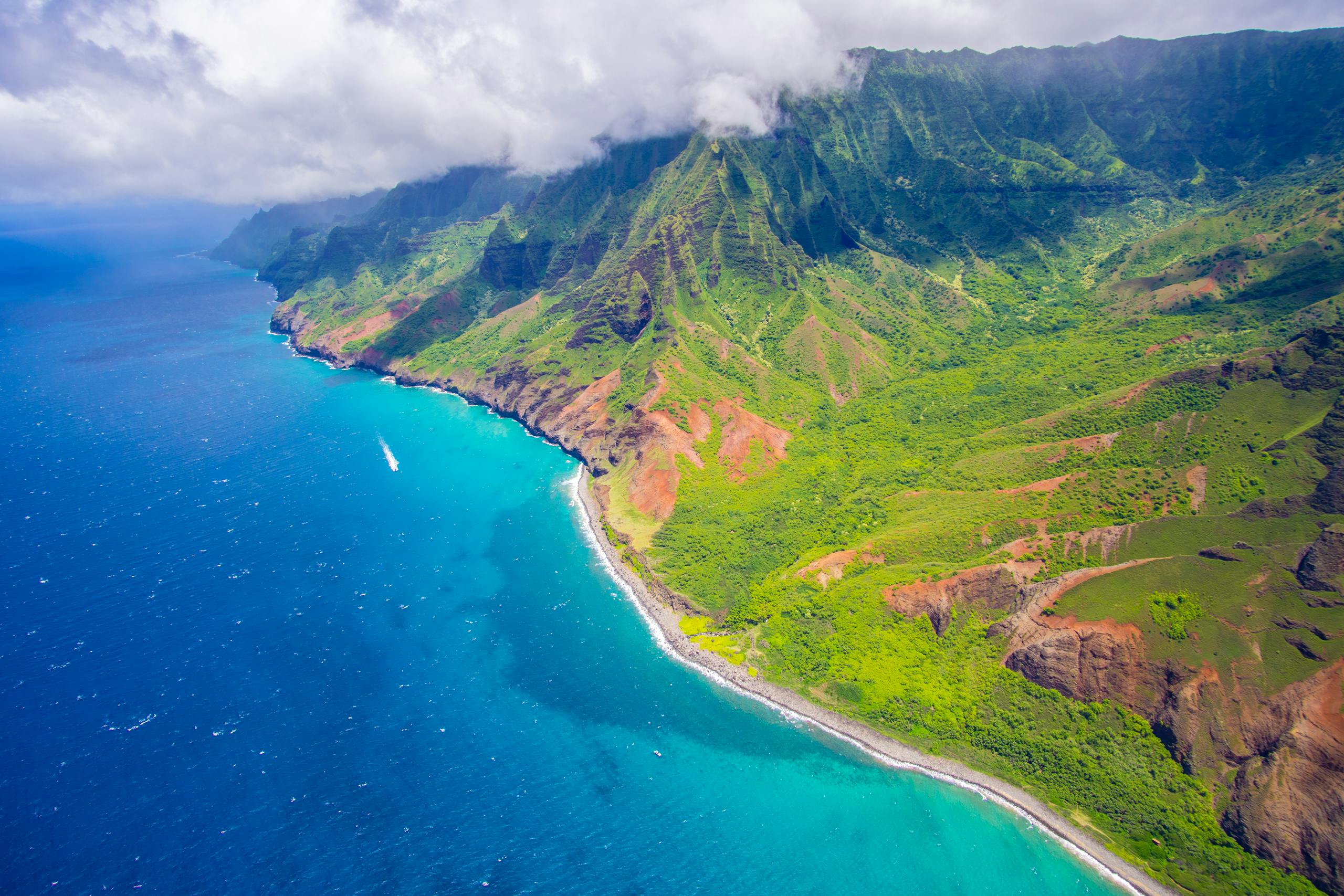
Kauaʻi – The Garden Isle
Kauaʻi is wild, lush, and jaw-droppingly beautiful. It’s less developed than Oʻahu or Maui, with towering cliffs, emerald valleys, and waterfalls at every turn.
Top Highlights:
- Nā Pali Coast – Best seen by boat, air, or the rugged Kalalau Trail. It’s epic.
- Waimea Canyon – The “Grand Canyon of the Pacific,” full of dramatic reds and greens.
- Hanalei Bay – A picturesque surf town backed by misty mountains.
- Wailua River – Great for kayaking and exploring waterfalls or the Fern Grotto.
➡️ Best For:
Nature lovers, hikers, honeymooners, vow renewals, photographers.
➡️ Activities:
Hiking, kayaking, snorkeling, scenic flights, waterfall chasing, beach picnics.
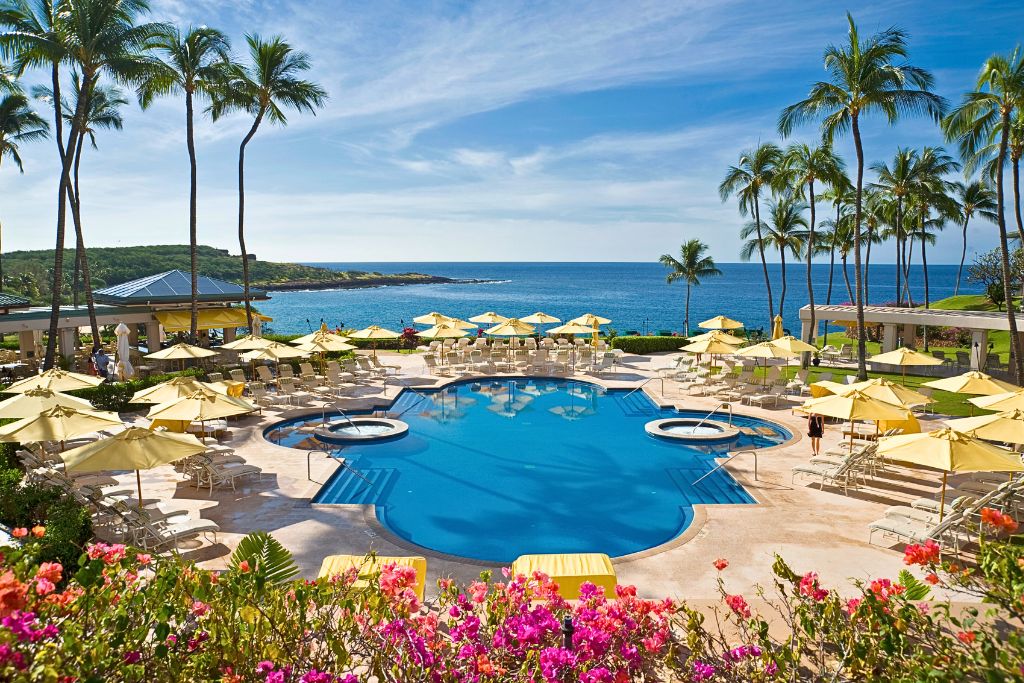
Lānaʻi – The Pineapple Isle
Lānaʻi is peaceful, luxurious, and remote. With only a couple of hotels and no traffic lights, it’s perfect for escaping the crowds.
Top Highlights:
- Hulopoʻe Bay – Pristine waters for snorkeling, often visited by dolphins.
- Shipwreck Beach – A long, wild stretch of coast with a visible WWII-era shipwreck.
- Garden of the Gods – A Martian-looking landscape of red rock and twisted formations.
- Lānaʻi City – Quaint and relaxed, with local shops and small-town charm.
➡️ Best For:
Couples, off-the-grid travelers, luxury seekers.
➡️ Activities:
Snorkeling, 4×4 exploring, hiking, spa days, relaxing.
Molokaʻi – The Friendly Isle
Molokaʻi feels like stepping back in time. No big resorts, no chain restaurants—just raw nature and authentic Hawaiian culture.
Top Highlights:
- Kalaupapa National Historical Park – Remote and powerful. Once a leper colony, now a place of reflection and beauty.
- Halawa Valley – Explore with a local guide and hike to waterfalls in one of the oldest Hawaiian settlements.
- Papohaku Beach – Massive and often empty. A perfect place for solitude.
- Sea Cliffs – The tallest in the world, best viewed by air or boat.
➡️ Best For:
Cultural travelers, slow travelers, and those seeking solitude.
➡️ Activities:
Cultural tours, hiking, beachcombing, kayaking, community experiences.
Best Time to Visit Hawaii & Weather
Hawaii is a dream year-round, but each season brings its own vibe. From wild surf and whale songs in winter to golden beaches and calm waters in summer, the experience shifts with the time of year. Here’s what to expect during each season—plus the best things to do when you’re there!

Spring (March through May)
Spring in Hawaii is full of color—plumeria start blooming, waterfalls are flowing strong from winter rains, and everything feels fresh and green. The weather is warm but not too hot, and there are fewer visitors than in the summer or winter holidays, which makes it a peaceful time to explore.
This is one of the best times for hiking, with trails in great shape and scenic overlooks bursting with life. It’s also perfect for waterfall chasing on islands like Kauai and the Big Island. Ocean conditions are calmer than winter, so snorkeling and beginner-friendly surfing start to shine, especially on the south and west shores.
Summer (June through August)
Summer is all about sunshine. Expect long, bright days and dry weather across most of the islands—especially on the leeward (western) sides. It’s beach season, through and through.
Ocean conditions are at their calmest, making it ideal for swimming, paddleboarding, kayaking, and snorkeling. You’ll find great visibility underwater, so places like Molokini Crater, Hanauma Bay, and Kealakekua Bay are at their best. Families often travel during this time, so popular spots get busier, especially in July. Still, if you’re all about warm water and full sun, this is your season.
Fall (September through November)
Fall is the hidden gem of Hawaii travel. Crowds thin out, the weather stays beautifully warm, and the ocean is still inviting. It’s also the tail end of the dry season, so you get that ideal mix of sunny days and quieter beaches.
It’s a great time for island hopping, romantic getaways, and more relaxed adventures. Hiking trails are dry and scenic, snorkeling is still excellent, and sunset cruises feel extra special with fewer boats on the water. September and October also tend to have some of the best stargazing nights on the Big Island.
Winter (December through February)
Winter brings cooler temps—though still warm by mainland standards—and a shift in ocean conditions. North-facing shores light up with giant waves, making it prime time for watching expert surfers tackle famous breaks like Pipeline and Waimea Bay on Oahu. Surf competitions are in full swing, and the energy is electric.
It’s also whale season. Humpbacks arrive in Hawaiian waters starting in December, with peak sightings in January and February, especially around Maui. While some trails can get muddy with seasonal rain, the landscapes are lush and dramatic. Winter is perfect for scenic drives, cultural tours, volcano viewing, and soaking in the misty beauty of places like Hilo or the Hana coast.
First-Time Visitor Tips for Hawaii
- Respect the Culture: Hawaii is more than a vacation spot—it’s a place with deep traditions and history. Learn basic words like “aloha” (hello/love) and “mahalo” (thank you), and be respectful at sacred sites.
- Drive with Aloha: Slow down, let people merge, and don’t honk. On one-lane bridges, yield to oncoming traffic.
- Be Ocean Smart: Always check conditions before swimming or snorkeling. Hawaii’s currents and waves can be dangerous, even on calm-looking days.
- Support Local: Eat at food trucks and local joints, shop at farmers markets, and book tours with native Hawaiian guides when possible.
- Use Reef-Safe Sunscreen: It’s required by law and helps protect coral reefs. Better yet, wear rash guards for extra sun protection.
- Pack Light, but Smart: Bring water shoes, a rain jacket, sun protection, and layers for summit adventures. A lightweight daypack is essential for hikes and day trips.
- Understand Island Time: Things move slower in Hawaii. Expect relaxed service, longer wait times, and a chill pace. Embrace it.
- Don’t Take Rocks or Sand: It’s not only disrespectful—it’s bad luck. Visitors often mail them back to reverse the curse!
- Download Offline Maps: Reception can be spotty in rural areas like Hana or North Shore Kauai, so plan ahead.
- Slow Down and Soak It In: The magic of Hawaii isn’t just in the sights—it’s in the feeling. Don’t overpack your itinerary. Sit. Watch the sunset. Talk story with a local.
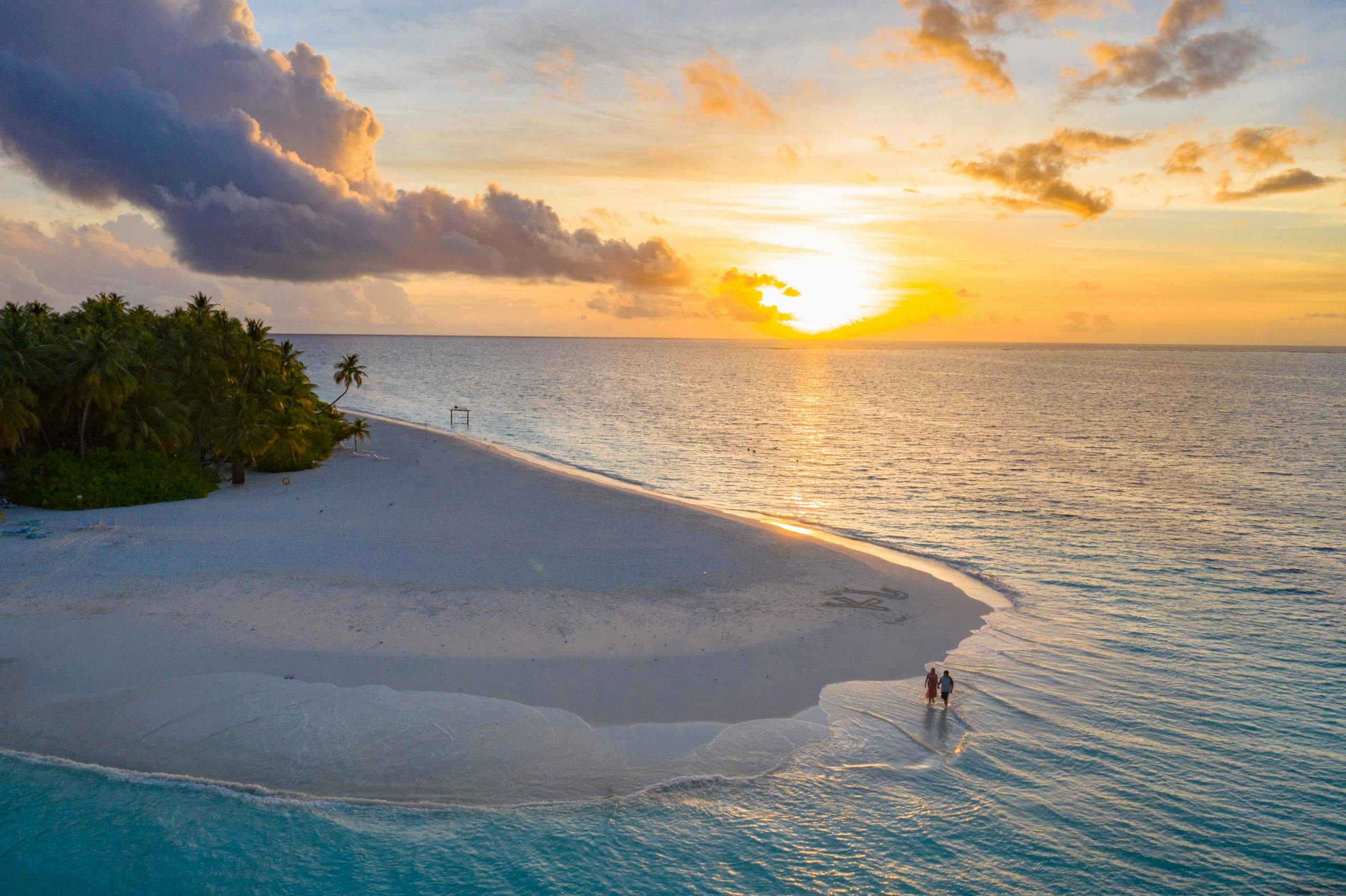
Island Hopping in Hawaii: Transportation, Timing & Travel Tips
One of the biggest surprises for first-time visitors is how spread out the Hawaiian Islands are. Even though they look close on the map, you can’t just drive or ferry between most of them.
Each island is its own adventure, and with a little planning, it’s totally doable to see more than one—but not all in one go.
Sample Island Pairings That Work Well
- Oahu + Maui – Great mix of culture, nightlife, and laid-back beaches.
- Maui + Big Island – Perfect for adventurers, nature lovers, and honeymooners.
- Kauai + Oahu – A slower pace paired with some urban buzz and surf culture.
- Maui + Lanai – Easy ferry connection for a short, two-island escape.
How Do You Travel Between the Hawaiian Islands?
The only way to get from one island to another is by plane. There’s no public ferry system between most islands. The only regular ferry runs between Maui and Lanai, and it takes about 70 minutes.
For all other island hops, you’ll book short flights—usually around 30 to 45 minutes—through Hawaiian Airlines or Southwest. Flights run frequently between major hubs like Oahu (Honolulu), Maui (Kahului), the Big Island (Kona and Hilo), and Kauai (Lihue), so it’s easy to connect.
Still, it’s best to plan your hops early in the day to avoid delays.
How Much Time Should You Spend on Each Island?
If you’re visiting Hawaii for the first time, you’ll want at least one week total, and ideally ten to fourteen days if you’re hoping to explore more than one island without rushing.
7 days – Stick to 1-2 islands. You’ll have time to relax, see the highlights, and settle into the rhythm of island life.
10 days – You can comfortably visit 2 islands. Spend five nights on each, and try to avoid moving between them on a beach day or tour day.
14 days – You can explore 3-4 islands if you’re organized. Think Maui + Kauai + Oahu, or Big Island + Maui + Oahu.
Trying to visit more than three islands in one trip usually ends up feeling rushed—especially with travel days, packing, and checking in and out of hotels. You’ll have more fun diving deep into fewer places than skimming the surface of all of them!
Which Islands Are the Most Popular for First-Time Visitors?
Most first-timers visit Oahu, Maui, or the Big Island, and many combine two of these depending on their interests.
Oahu is the most visited island, thanks to Honolulu, Waikiki, and historical sites like Pearl Harbor. It’s great for first-timers who want a mix of beaches, city life, culture, and surf.
Maui is wildly popular for honeymoons and family trips. It offers luxurious resorts, epic drives like the Road to Hana, and easy whale watching in winter.
The Big Island (Hawaii Island) is a favorite for outdoor lovers and adventure seekers. It’s where you’ll find active volcanoes, black sand beaches, and stargazing from Mauna Kea.
Kauai is often chosen by nature lovers and couples looking for a slower pace, stunning hikes, and jaw-dropping scenery.
Lanai and Molokai are less visited and best for return trips or travelers looking for a quiet, off-the-beaten-path experience.
Do I Need a Passport to Go to Hawaii?
Nope! Hawaii is part of the United States, so if you’re traveling from anywhere else in the U.S., you just need a government-issued ID—like a driver’s license or REAL ID.
If you’re coming from another country, then yes, you’ll need a valid passport and possibly a visa depending on your nationality. You can learn more on the State Travel Website.
Which Airport Should I Fly Into?
Where you fly into will depend on which island you’re visiting first! For Oahu, fly into Daniel K. Inouye International Airport (HNL) in Honolulu.
For Maui, use Kahului Airport (OGG). For the Big Island, there are two main airports: Kona (KOA) on the dry, sunny side, and Hilo (ITO) on the lush side.
For Kauai, you’ll fly into Lihue (LIH). Lanai and Molokai have small regional airports with flights from other islands only. If you’re island hopping, you might fly into one island and out of another—just be sure to plan it ahead of time to avoid backtracking!
Should I Rent a Car in Hawaii?
On most islands—yes. The Big Island, Maui, and Kauai especially require a car to get around. There’s so much to see, and public transportation is limited outside of urban areas.
On Oahu, you can get by without a car if you’re staying in Waikiki or Honolulu, but a rental is still useful for exploring places like the North Shore or the east coast.
Is It Expensive to Visit Hawaii?
Hawaii is generally one of the pricier U.S. destinations, with food, gas, and accommodations often costing more than the mainland due to its remote location.
But there are plenty of ways to travel smart! You can book flights and hotels early, eat at local spots or food trucks, and balance paid tours with free activities like hiking and beach days.
How Do People Dress in Hawaii?
Hawaii is super laid-back. Lightweight clothes, sandals, and swimsuits are the norm. You’ll want a light jacket or sweater for high elevations like Haleakala or Mauna Kea, and a rain jacket for wetter parts like Hilo or Kauai’s North Shore.
For dinners at nicer restaurants, resort-casual attire—like a sundress or aloha shirt and khakis—is perfect.
Are There Any Cultural Do’s and Don’ts?
Thanks for being aware! Hawaii has a rich native culture, and locals appreciate when visitors show respect.
➡️ Never walk on or disturb heiau (sacred sites).
➡️ Don’t touch or take rocks, coral, or sand.
➡️ Don’t honk or tailgate on the road—drive with aloha.
➡️ Learn a few local phrases. Even just saying “mahalo” (thank you) goes a long way.
➡️ Be aware that locals are not “Hawaiians” unless they are of Native Hawaiian descent. “Local” is a more respectful term for non-Native residents.
What Time Zone is Hawaii In?
Hawaii runs on its own time—literally. It’s in the Hawaii-Aleutian Standard Time (HAST) zone and doesn’t observe daylight saving time.
That means it’s 3 to 6 hours behind the U.S. mainland depending on the season. Plan to feel a bit of jet lag for the first couple days, especially if you’re coming from the East Coast.
✈️ Get in Touch With Our Hawaii Experts Today!
Expert travelers will craft your perfect trip
Planning a trip to Hawaii can feel overwhelming, especially with so many islands and experiences to choose from. That’s where we come in. At The Travel Planning Experts, we specialize in building custom itineraries that match your travel style, pace, and priorities—so all you have to do is show up and enjoy the magic!
From first-timer favorites to hidden gems, we’ll help you make the most of every moment in paradise. Ready to start planning? Your dream Hawaii adventure is just a few steps away!