The Caribbean has a well-earned reputation for warm weather, turquoise water, and laid-back vibes—but not all islands are created equal when it comes to safety. If you’re planning your first trip to the region or just want peace of mind while exploring somewhere new, it’s smart to choose destinations with solid infrastructure, low crime, and a traveler-friendly atmosphere.
That’s exactly what this post is here for.
We’ve rounded up the safest islands in the Caribbean to visit in 2025, backed by traveler reports and international safety data (like the World Safety Index and Global Peace Rankings)—along with real-world tips to help you make smart decisions while you’re there.
Whether you’re traveling solo, with kids, or planning a romantic escape, here’s everything you need to know to feel confident, secure, and excited about your island adventure.
👉 If you’re not sure where to start or want help planning your island-hopping adventure, reach out to The Travel Planning Experts! We’ll connect you with a Caribbean specialist who can craft a custom itinerary that fits your vibe and comfort level—prioritizing safety without skimping on the fun.
Safest Caribbean Islands to Visit in 2025
1. Anguilla
US State Department: Level 1 (Exercise Normal Precautions)
Anguilla is one of the safest islands in the Caribbean, known for its calm energy, close-knit community, and absence of cruise ports. Violent crime is almost nonexistent, and petty theft is rare thanks to strong local policing and low poverty rates. Tourists typically stay in Meads Bay, Shoal Bay, or Rendezvous Bay, all of which are peaceful, upscale, and walkable.
✅ Safety tip: The island is very dark at night—pack a flashlight or use your phone light when walking or driving after sunset, especially in rural areas.
2. Barbados
US State Department: Level 1 (Exercise Normal Precautions)
Barbados blends modern infrastructure with a laid-back beach culture, and it has one of the best public transportation systems in the Caribbean. While most crime is isolated to local disputes in certain Bridgetown neighborhoods, tourists may encounter bag snatching or scams in crowded areas. For the safest experience, base yourself in Holetown, St. Lawrence Gap, or along the Platinum Coast on the west side.
✅ Safety tip: When enjoying the beach, don’t leave bags or electronics unattended—even in busier tourist zones, opportunistic theft can happen.
3. St. Barts (Saint Barthélemy)
US State Department: Level 1 (Exercise Normal Precautions)
St. Barts is one of the most secure Caribbean islands, with minimal crime, clean streets, and an almost entirely tourism-based economy. Petty crime is extremely rare, and law enforcement is quick to respond to any disturbances. Most travelers stay in Gustavia, Flamands, or Lorient, where luxury villas and boutiques are common.
✅ Safety tip: Be cautious walking along narrow cliffside roads after dark—there are limited sidewalks, and many locals drive fast.
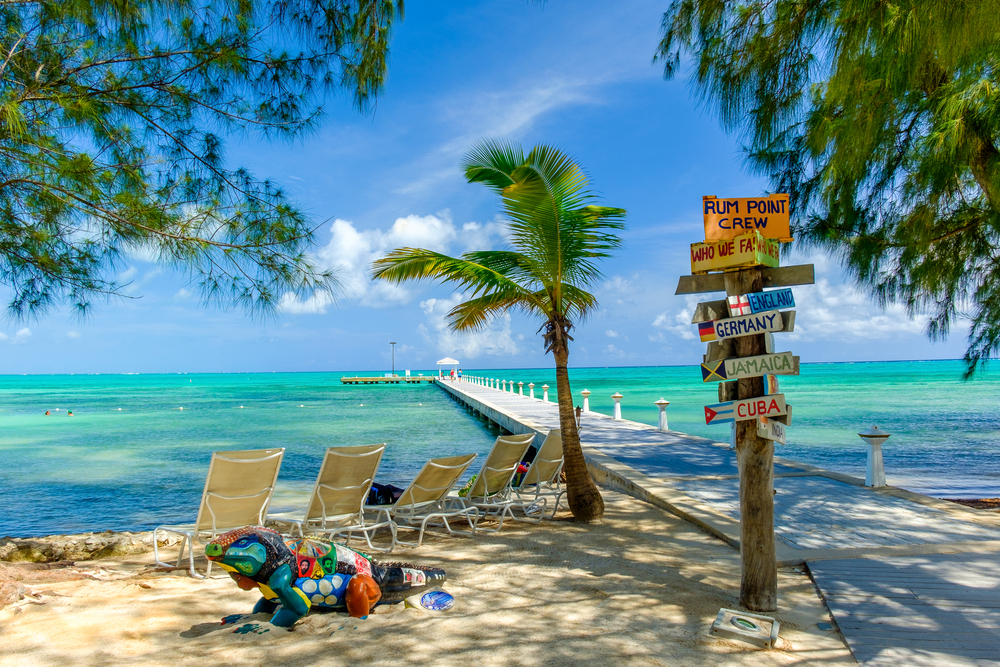
4. Cayman Islands
US State Department: Level 1 (Exercise Normal Precautions)
The Cayman Islands, especially Grand Cayman, offer some of the best infrastructure and healthcare in the region. Violent crime is low, though car break-ins near public beaches can occur, and it’s best to avoid isolated areas after dark. Seven Mile Beach, West Bay, and South Sound are popular, tourist-friendly neighborhoods with strong resort security and good lighting.
✅ Safety tip: Always lock your rental car and avoid leaving anything visible inside, even just sunscreen or a towel.
5. Aruba
US State Department: Level 1 (Exercise Normal Precautions)
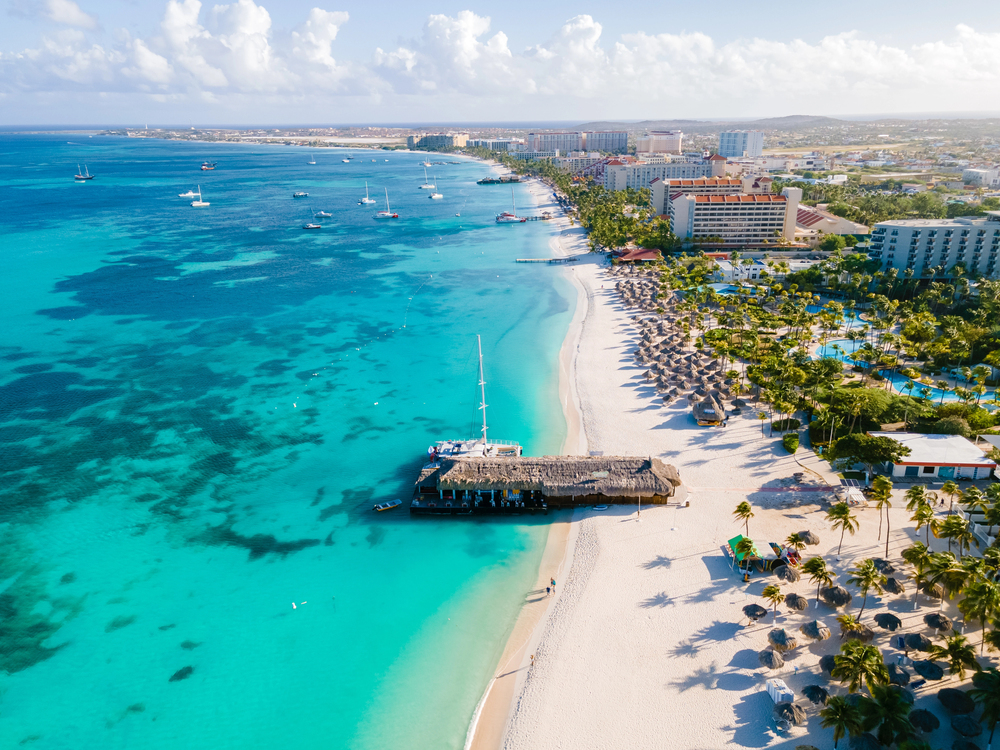
Aruba consistently ranks among the safest Caribbean destinations, especially for solo travelers, families, and LGBTQ+ visitors. The biggest risks are traffic-related (especially with ATV rentals) and isolated cases of pickpocketing in downtown Oranjestad. The best areas to stay are Palm Beach, Eagle Beach, and Noord, which offer excellent lighting, walkability, and resort security.
✅ Safety tip: If renting an ATV or scooter, wear a helmet and avoid riding in unfamiliar areas after dark—most accidents happen off the main tourist routes.
6. Turks and Caicos
US State Department: Level 2 (Exercise Increased Caution)
While some residential neighborhoods in Providenciales have seen crime spikes, the main resort zone along Grace Bay remains very safe and well-patrolled. Petty theft and home break-ins exist, but rarely affect tourists staying in high-end hotels or gated villas. Avoid isolated beaches in Five Cays or Blue Hills if exploring outside the resort corridor.
✅ Safety tip: Only use hotel-arranged or officially registered taxis—unmarked or cash-only rides have been linked to scams in the past.

7. British Virgin Islands (BVI)
US State Department: Level 1 (Exercise Normal Precautions)
The BVI are low-key and deeply rooted in sailing culture, with very little violent crime or corruption. Tourists are rarely targeted, and the vibe is more sleepy coastal village than party destination. Base yourself in Tortola’s West End, Virgin Gorda, or Jost Van Dyke for laid-back, scenic stays with easy boat access.
✅ Safety tip: Confirm boat charter credentials before booking—unlicensed operators exist and may not carry proper safety gear.
8. Martinique
US State Department: Level 1 (Exercise Normal Precautions)
Martinique combines French standards of public health, safety, and infrastructure with Caribbean flair. While occasional petty theft happens in Fort-de-France, most visitors never experience issues. For the best experience, stay in Les Trois-Îlets, Sainte-Anne, or Le Diamant, where beaches are safe and the pace is slower.
✅ Safety tip: French is the main language—download an offline translator app or brush up on basics to avoid miscommunications in rural areas or during emergencies.
12 Smart Tips for Staying Safe in the Caribbean
- Stick to tourist-friendly neighborhoods.
Each island has areas that cater to travelers with better lighting, police presence, and walkability. Booking in these zones reduces your risk without sacrificing authenticity. - Don’t flash valuables or wear flashy jewelry.
Even on safe islands, appearing overly affluent can make you a target. Keep it low-key, especially when exploring towns or riding public transport. - Pre-arrange airport transfers.
Skip the stress of negotiating with drivers or accidentally taking an unlicensed cab. Resorts and boutique hotels usually offer secure, reliable service. - Store your passport in a hotel safe.
Bring a copy when you’re out and about, but keep the original locked up. If it’s lost or stolen, it can be a huge hassle to replace while abroad. - Stay alert in downtown or market areas.
Busy hubs like Oranjestad or Bridgetown are great for shopping, but also draw pickpockets. Use anti-theft bags and avoid carrying all your cards or cash at once. - Use your phone flashlight at night.
Many island roads aren’t well-lit, especially outside the resort zones. A little extra visibility helps avoid accidents or sketchy encounters.
- Double-check snorkel and dive tour safety.
Only book with well-reviewed, certified companies. Ask where the gear comes from, what safety checks they do, and if life vests are required. - Avoid beaches at night unless they’re part of your resort.
Some look peaceful, but lack lighting or patrols. If you’re not sure, ask your hotel which beaches are safe after dark. - Use WhatsApp or offline maps to stay connected.
Mobile service can be spotty, so download maps and make sure at least one person in your group can contact help offline if needed. - Watch your drinks and don’t leave them unattended.
Even in quiet beach bars, spiking drinks is not unheard of. Order directly from the bartender and keep your glass with you at all times. - Stay sober when exploring unfamiliar areas.
Save the rum punch for when you’re back at your hotel or resort. Exploring while tipsy can lead to poor decision-making or getting lost. - Get travel insurance that covers both health and storms.
Some Caribbean islands are still affected by hurricanes or seasonal flooding. Good coverage protects you from medical bills and expensive rebooking fees.
FAQs
Which Caribbean island is the safest?
Aruba is widely considered the safest Caribbean island for travelers in 2025. It consistently ranks among the highest for personal safety, with a World Safety Score of 88/100 and virtually no violent crime targeting tourists.
The island has a well-trained police force, excellent infrastructure, and a friendly, tourism-focused economy. Most visitors stay in Palm Beach or Eagle Beach, where resorts offer added security, well-lit walkways, and easy access to emergency services.
Where should I avoid in the Caribbean?
While most Caribbean destinations are safe and welcoming, there are a few places where travelers should exercise serious caution—or avoid altogether.
Haiti remains under a Level 4 “Do Not Travel” advisory due to extreme gang violence and political instability. Venezuela’s Isla Margarita, often marketed as a Caribbean escape, also falls under this category due to economic collapse and civil unrest.
In Trinidad, violent crime is a concern, particularly in Port of Spain, though neighboring Tobago is quieter. Jamaica and the Dominican Republic are more complex: resort areas like Negril and Punta Cana are generally safe, but cities such as Kingston, Spanish Town, Santo Domingo, and Puerto Plata report higher levels of robbery, assault, and organized crime.
Even on safer islands, certain areas can be riskier. Use extra caution in urban centers like Bridgetown (Barbados), Oranjestad (Aruba), and Philipsburg (St. Maarten) after dark, and avoid isolated beaches unless they’re part of a resort.
Stick to licensed taxis, skip public transit when possible, and don’t accept unsolicited tour offers. By knowing where—and how—to travel smartly, you can still enjoy a safe and relaxing trip across the Caribbean.
Which is safer, the Bahamas or the Caribbean?
The Bahamas as a country has a higher crime rate compared to many individual Caribbean islands. In particular, Nassau and Freeport have seen a rise in armed robberies and tourist-targeted thefts in recent years, prompting travel advisories.
By contrast, smaller islands like Anguilla, St. Barts, Barbados, and the Cayman Islands report far fewer incidents and score better in terms of overall safety and stability.
So, while the Bahamas has its safer pockets (like Eleuthera or Exuma), the broader Caribbean offers more consistent safety depending on where you go.
What is the most peaceful Caribbean island?
Anguilla is often named the most peaceful island in the Caribbean. With a population of just over 15,000 and no cruise ports or major nightlife scene, it’s ideal for travelers looking to unwind.
The island sees virtually no violent crime, and locals are known for their warm hospitality and community-minded values.
Accommodations tend to be quiet villas and boutique resorts along Shoal Bay, Meads Bay, and Rendezvous Bay, all of which feel serene, safe, and far removed from party crowds or high-traffic zones.
Are Caribbean islands safe for solo female travelers?
It can be, but it depends on the island. Aruba, Barbados, St. Barts, and the Cayman Islands are among the safest picks for solo female travelers thanks to low rates of gender-based violence and well-developed tourist zones.
These destinations offer walkable neighborhoods, easy access to English-speaking support services, and plenty of secure hotel options.
It’s still wise to follow general precautions: avoid deserted areas after dark, don’t flash valuables, and use hotel-recommended taxis.
Is crime against tourists common in the Caribbean?
In general, crime against tourists is rare on the islands covered in this guide. The most common incidents involve petty theft, like stolen phones or wallets left on beaches or in unlocked cars.
Violent crime directed at travelers is very rare in places like Aruba, St. Barts, and the British Virgin Islands. That said, scams and pickpocketing can occur in downtown markets, especially in larger cities like Bridgetown (Barbados) or Oranjestad (Aruba).
But like anywhere in the world, taking basic precautions greatly reduces any risk.
Can I drink the tap water in the Caribbean?
It depends on the island. Tap water is safe to drink in Aruba, Barbados, the Cayman Islands, St. Barts, and Martinique, as these destinations maintain strict water treatment standards.
On the other hand, in places like the Dominican Republic, Jamaica, and the Bahamas, it’s recommended to drink bottled or filtered water to avoid gastrointestinal issues.
We always suggest doing specific research for the island you want to visit, then also checking with your accommodation or a trusted local source after you arrive before drinking from the tap.
Are hurricanes a concern for Caribbean travel?
Hurricane season in the Caribbean runs from June to November, with peak activity in August and September. Islands like Aruba, Curaçao, and Bonaire are located south of the hurricane belt, meaning they are rarely affected by tropical storms.
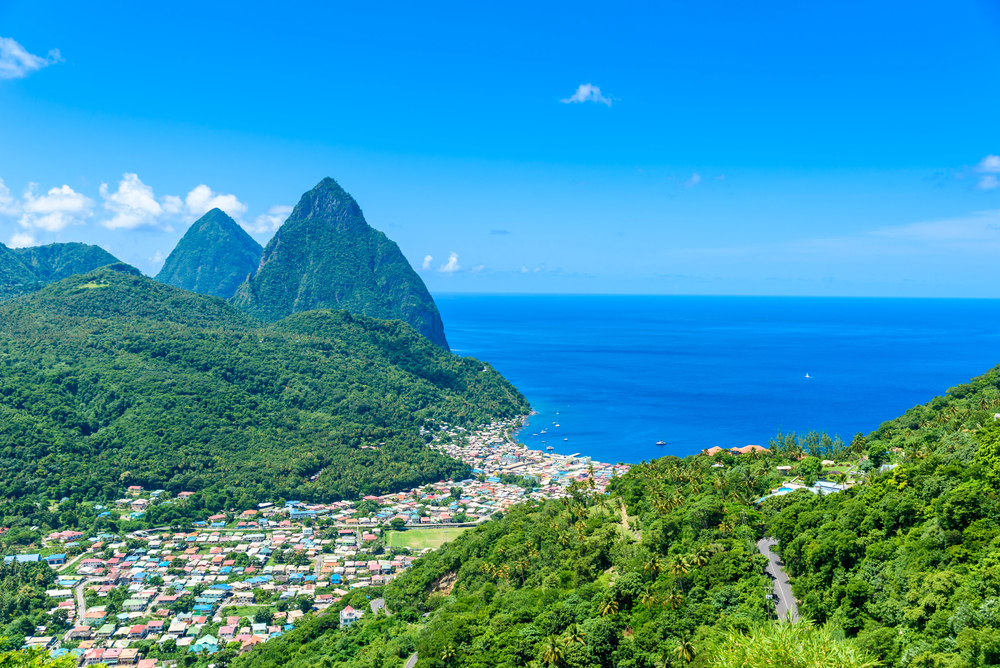
Other islands like St. Lucia or Barbados have modern infrastructure and early warning systems but still face occasional weather disruptions.
If you have to travel during hurricane season, we highly recommend getting travel insurance that covers weather-related cancellations or delays.
How do I plan a safe trip to the Caribbean?
Start by choosing an island that fits both your travel style and your comfort level with logistics—some islands are better for fully guided resort stays, while others are ideal for independent travelers.
Research which neighborhoods or regions are safest, and opt for accommodations with good reviews, secure entry, and proximity to well-lit public areas or beaches.
It’s also smart to arrange airport transfers in advance, avoid public transportation unless you’re on an island where it’s known to be reliable, and book tours or excursions only with vetted operators.
If you want help narrowing it all down or creating an itinerary that skips the stress, consider working with one of our Caribbean travel experts at The Travel Planning Experts.
We match you with the safest island for your interests—whether that’s snorkeling, sailing, or relaxing on a quiet beach—and take care of every detail, from airport pickups to local guides.
You’ll know exactly where to go, how to get there, and how to stay safe every step of the way!
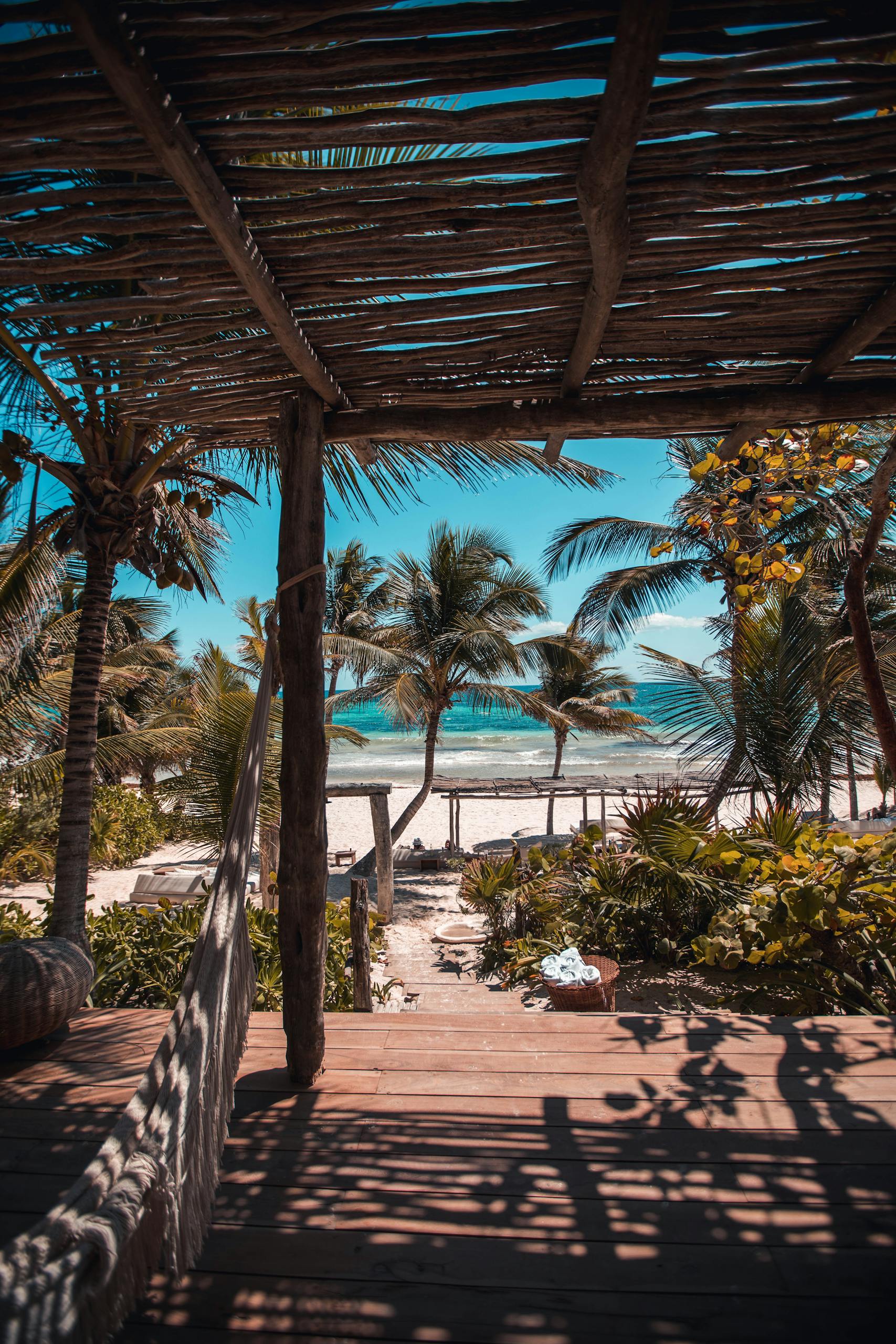
Traveling to the Caribbean doesn’t have to come with worry. With the right destination and a few smart precautions, you can fully relax and enjoy the beauty, culture, and sunshine these islands are known for.
Whether you’re planning a long-awaited honeymoon or a last-minute solo escape, these are some of the safest islands in the Caribbean, giving you the freedom to focus on the fun parts of travel!
👉 Still unsure which island is right for your trip style and comfort level? We’re here to help. At The Travel Planning Experts, we create custom Caribbean itineraries that match your pace, preferences, and peace of mind—no stress, just tropical joy.